Díaz-Canel Highlights Digital Transformation and AI Adoption at the Institute of Neurology and Neurosurgery
 24 April 2026


How can we explain that in the midst of a situation as complex as the one Cuba is currently facing—a victim of a brutal, genocidal, and intensified blockade—the Institute of Neurology and Neurosurgery is making giant strides in a discipline as multisectoral and technology-intensive as telemedicine? Could it have to do with human resources?
“Yes, of course. It’s no secret that the times we’re living in are tough, for the world and for Cuba. Of course, this requires technology, it requires resources, but above all, it requires the desire—the human desire to want to do something—and when that is achieved, much can be accomplished.
“Telemedicine requires all the technology possible, but once it begins to be implemented, the savings are considerable; that’s why the world is moving in that direction, because digital technology brings savings in paper, printing, and even time. In other words, even though it may seem paradoxical and is technically very demanding, telemedicine is a way to address the tremendous shortages imposed on us by the blockade.
“We’ve been working for years on developing digitization and telemedicine techniques, since 2018, when we started with a lab, and yes, it’s been difficult; we’ve been hit hard by obstacles, such as obtaining a specific APK, but the desire of the doctors and the institution to make it happen has allowed us to win 50% of this battle.”
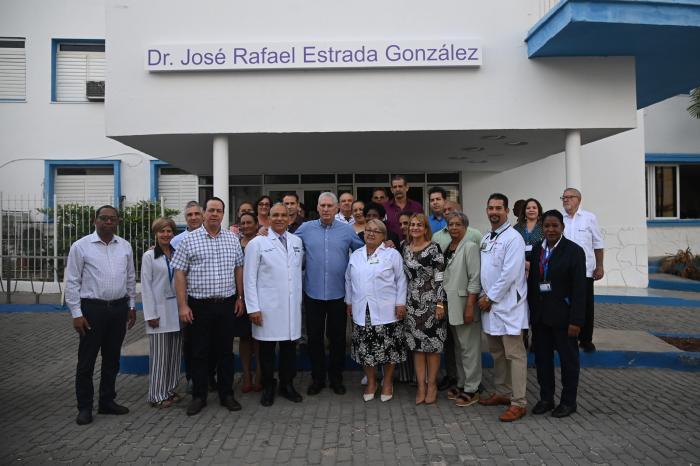
This was stated by Dr. Duniel Abreu Casas, deputy director of Diagnostic Services at the Institute of Neurology and Neurosurgery, a scientific, educational, and healthcare center visited on Thursday morning by Miguel Díaz-Canel Bermúdez, First Secretary of the Party’s Central Committee and President of the Republic.
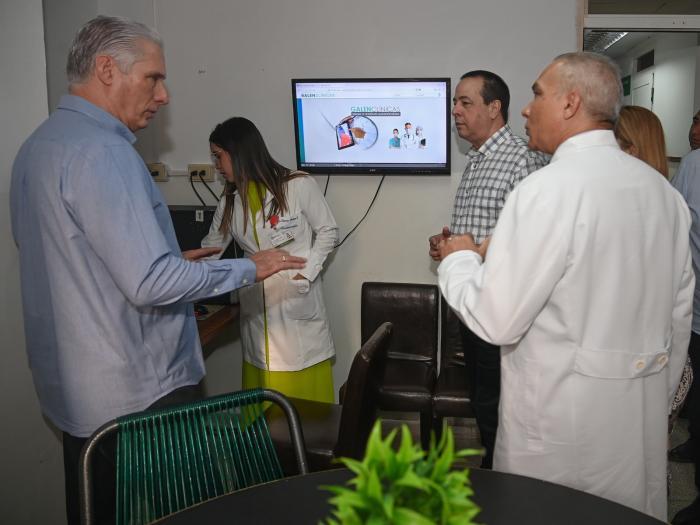
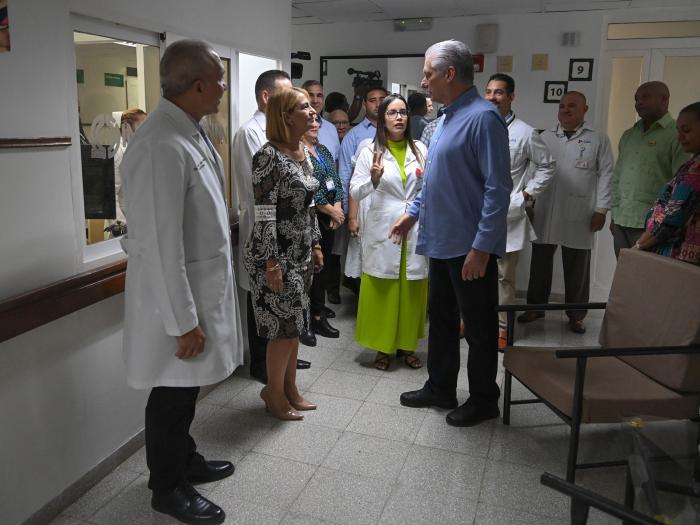
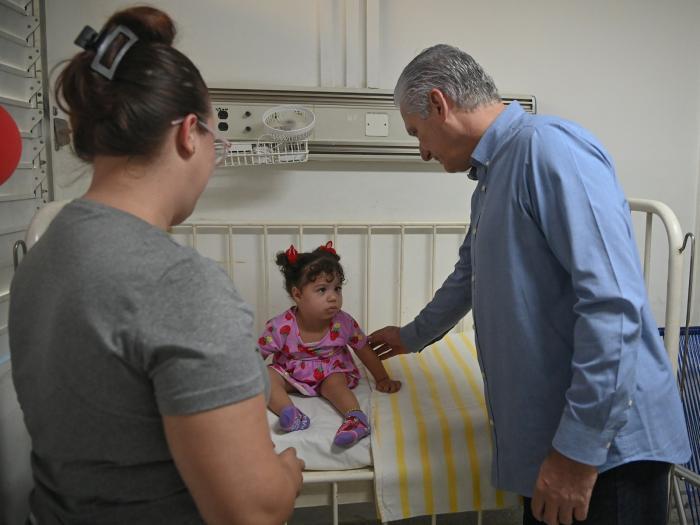
These visits are part of the president’s work agenda, which places special emphasis on the country’s digital transformation strategy and artificial intelligence programs, as he himself explained during his discussion with the center’s executives, physicians, and other specialists, during which he was accompanied by Deputy Prime Minister Eduardo Martínez Díaz, as well as the ministers of Public Health, José Angel Portal Miranda, and Communications, Mayra Arevich Marín, among other officials.
It represents a strategy that prioritizes the sectors of health, teaching, and education. That is why—Díaz-Canel noted—since the end of last year, we have been visiting health centers every month.
It is these institutions that have become the vanguard of these processes, the leader recalled, highlighting as another reason for the visit “the professionalism, performance, and excellence” of this iconic center, which has earned well-deserved national and international prestige.
And on each of these visits—the Cuban President emphasized—one sees how they “raise the bar even higher,” how they introduce new initiatives, how they consolidate what they have, and how results are being scaled up and more centers are participating in these processes, which require not only extensive knowledge, but also investments and infrastructure—yet are being carried out despite the limitations, which is an expression—he reiterated—of what we have called creative resistance.
NEUROSCIENCES AT THE FOREFRONT
Founded 64 years ago, the Institute of Neurology and Neurosurgery is the leading center for these specialties in the country and the headquarters of both national groups. It treats both the adult population and performs complex surgeries on minors.
According to its director general, Dr. Orestes López Piloto, this is a small hospital in terms of the number of beds and the size of the building, but a major one in terms of the specialties it offers and the volume of care it provides.
“In fact,” he recalled, “during the recent Chikungunya epidemic, we took on all cases involving neuropathic pain in patients, because we were prepared to do so, because we had specialized training to do so.”
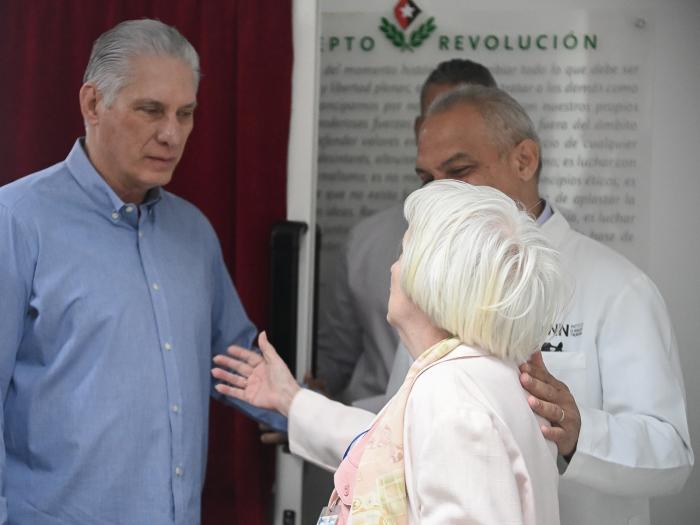
Dr. López Piloto conveyed the satisfaction and pride that President Díaz-Canel’s visit has meant for the hospital staff, especially for dozens of renowned neurologists and neurosurgeons with decades of experience who wanted to meet him, greet him, and express their commitment to their science, their patients, and the Revolution.
Amid so many challenges, what are the Institute’s goals and work projections for 2026? Dr. Orestes López Piloto responded to the journalists: to continue providing the excellent care we offer to the population across the country, and to continue advancing in digital transformation, telemedicine, and tele-education; benefits of computerization that began here in 2012 and accelerated starting in 2018 with Comrade Díaz-Canel’s push for digital transformation as one of the pillars of the government.
Also speaking with the Presidential Press Corps, Dr. Duniel Abreu Casas, Deputy Director of Diagnostic Services at the Institute, argued that the hospital is, without a doubt, at the forefront of these processes. “All our diagnostic laboratories,” he explained, “are digitized and contribute to the information system and electronic health records, which doctors can access and interact with from their desks via the network.”
“Teleconsultations,” he added, “are another method that allows us to interact in real time with Cuban or foreign medical personnel, regardless of where they are. We have set up three stations for teleconsultations using high-definition internet, a system of which Cuba is a part.”
“Digitization,” Dr. Abreu Casas remarked, “has brought changes to imaging and equipment, but it has also brought the peace of mind that comes with having a digital backup of documentation that used to be stored in physical files—requiring dedicated space and the need to go and retrieve them—but can now be accessed from anywhere in the hospital. Digitization,” he summarized, “has brought the benefits of the digital age we are living in.”
As he took his leave, the Head of State paid tribute to all that has been achieved in this iconic hospital through science and innovation, writing in the guestbook:
“It is very heartening, in these difficult times we are living through—marked by severe shortages and the impact of the intensified blockade, compounded by the energy blockade—to witness the dedication, determination, professionalism, tenacity, and drive to excel demonstrated by the staff of the National Institute of Neurology and Neurosurgery. The progress made in the development of the digital transformation process and the use of AI at this important institution is particularly noteworthy. If we can do it today, we can always do it.”