

The United States and Iran have pressed pause on what had been an escalating conflict for a second day.
Reports on Sunday said neither the US nor Iran had launched strikes for a second day in a row. The sudden period of calm after two weeks of nightly attacks on Iran by the US and Iranian retaliation on US allies in the Gulf came amid hopes of a return to diplomacy.
- list 1 of 3Who is India’s new education minister Pralhad Joshi?
- list 2 of 3Israel obstructing takeover of pilot zones in Lebanon’s south: Military
- list 3 of 3‘Freeze the conflict’: Drones slow Kazakh oil flow amid Russia-Ukraine war
end of list
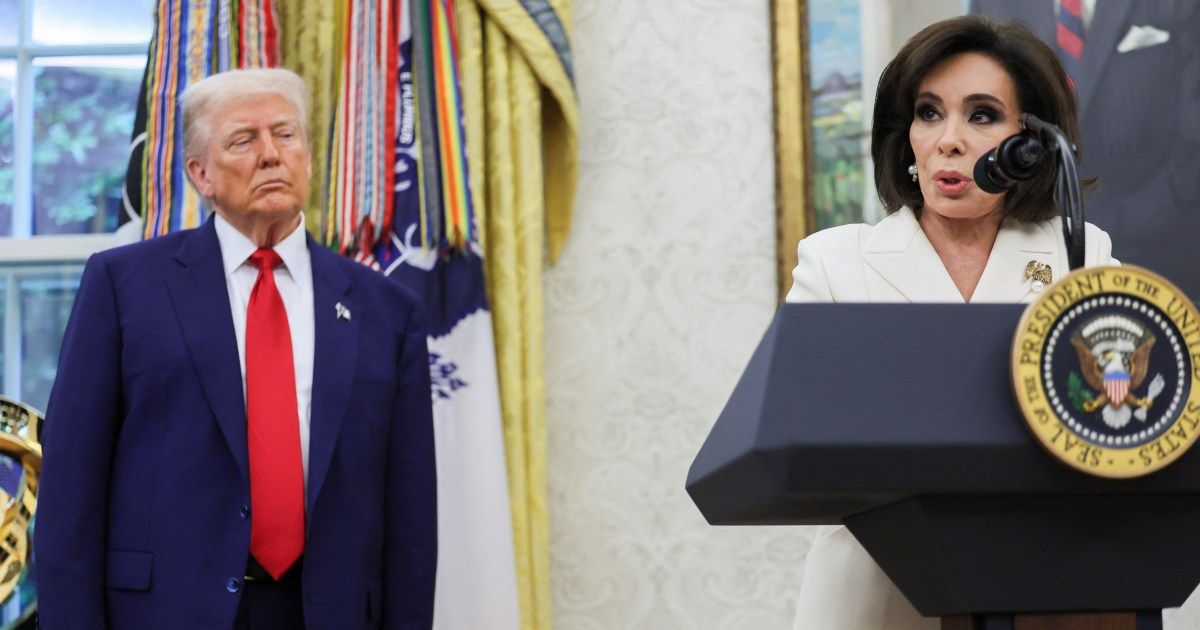
US Ambassador to the United Nations Mike Waltz told Fox News on Sunday that President Donald Trump was “giving [the potential for] talks … a little bit of room”.
While noting that the president has said the US was “locked and loaded,” Waltz said negotiators have been engaged at every level over the past few weeks, and in particular, over the past few days.
US broadcaster CBS, quoting two regional sources, reported that the US decision to pause the bombing was made due to the arrival in Tehran of a delegation from Oman.
The New York Times reported that Trump paused plans to escalate attacks due to concerns about draining the Pentagon’s diminishing stockpile of missile interceptors and other air defence munitions in the Middle East.
Iran’s army, meanwhile, said it had halted its strikes in the Gulf.
“Our strategy has essentially been retaliatory. We have also halted our retaliatory operations,” Iranian army spokesman Mohammad Akraminia said, according to the AFP news agency.
However, like the US, Iran was also sure to maintain its bullish rhetoric, with Akraminia warning that the conflict would widen further if the US continues its attacks.
Advertisement
According to Turkiye’s Anadolu news agency, Pakistani and Qatari mediators have intensified communications with the US and Iran after both sides responded to a de-escalation formula to end the conflict.
Regarding the Omani delegation, Iran’s Ministry of Foreign Affairs spokesperson Esmaeil Baghaei said the talks about managing marine traffic in the Strait of Hormuz – the focus of the recent outbreak of hostilities – were “useful and progress was made”.
“Technical and political consultations” are ongoing, he added.
Meanwhile, incidents in the waterway, a key export route for oil and natural gas exports from the region, continued, maintaining the risk of escalation.
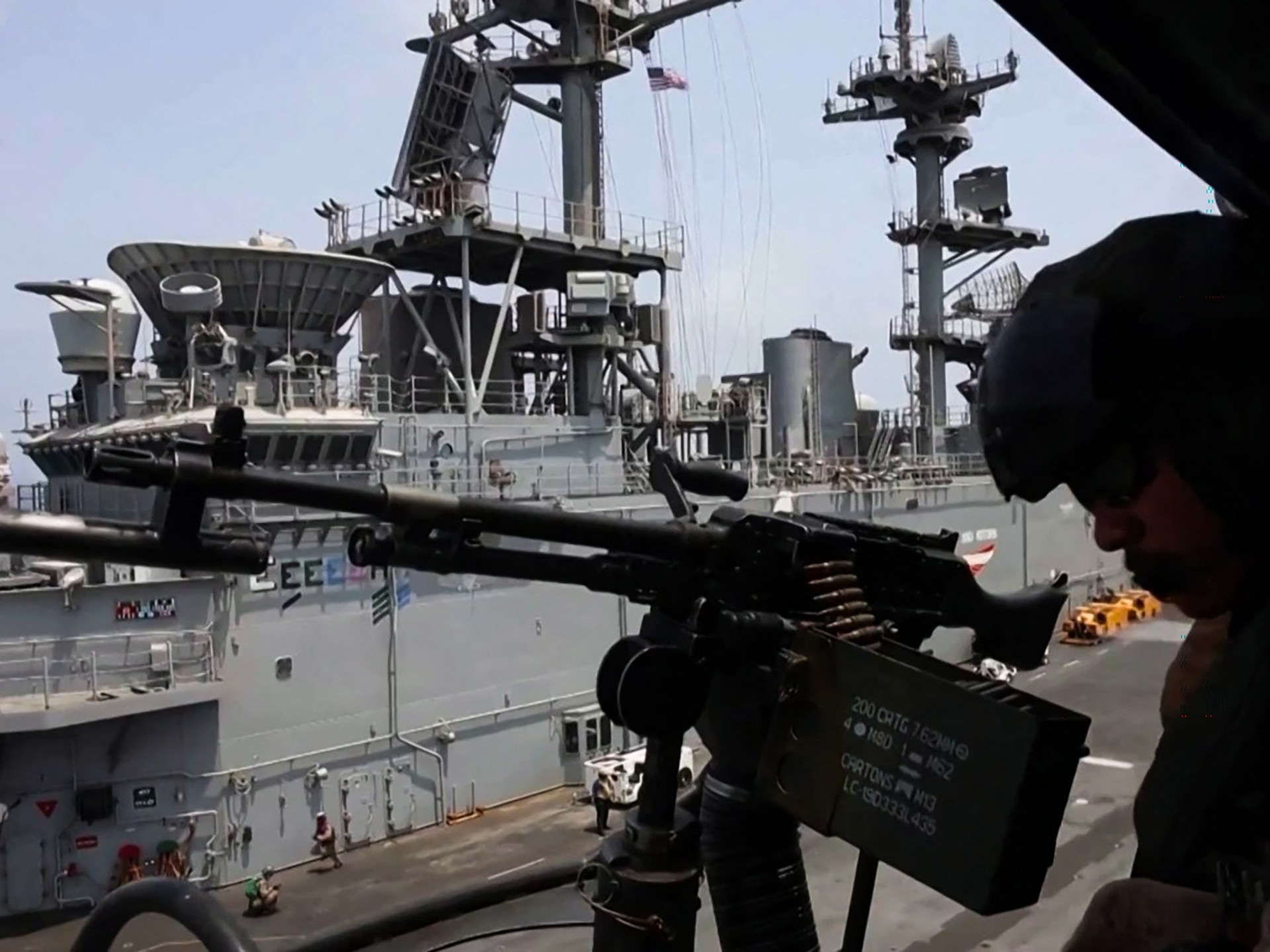
The US military’s Central Command said on Sunday that its naval blockade of Iran “remains in full effect”.
It noted that as of Saturday, it had redirected 12 commercial vessels, disabled two that had not complied with directions and boarded two “to ensure total compliance”.
Iranian media reported that Iran’s Revolutionary Guard Corps stopped six vessels from trying to transit the strait over the previous 24 hours by firing warning shots.
They also reported that an oil tanker exploded after hitting a mine in the strait. The Tasmin News Agency reported that the ship struck a mine after leaving the Iranian-approved route.
Control over the Strait of Hormuz is a point of contention between the US and Iran. Iran says it controls passage through the waterway under a memorandum of understanding that was signed by Washington and Tehran in June and established a 60-day period for the final terms of a deal to be negotiated.
The US says Iran does not control the strait and has tried to create a secondary route for vessels to transit the waterway.
Related News
One killed, four injured in Thailand school shooting, officials say
Vance says Epstein had connections to US, Israeli intelligence

Trump grants Kyiv Patriots licences: What’s next in the Russia-Ukraine war?