Bay of Pigs, 65 years on: “Analyzing its legacy is not an exercise in nostalgia, it is a strategic necessity”
 16 April 2026


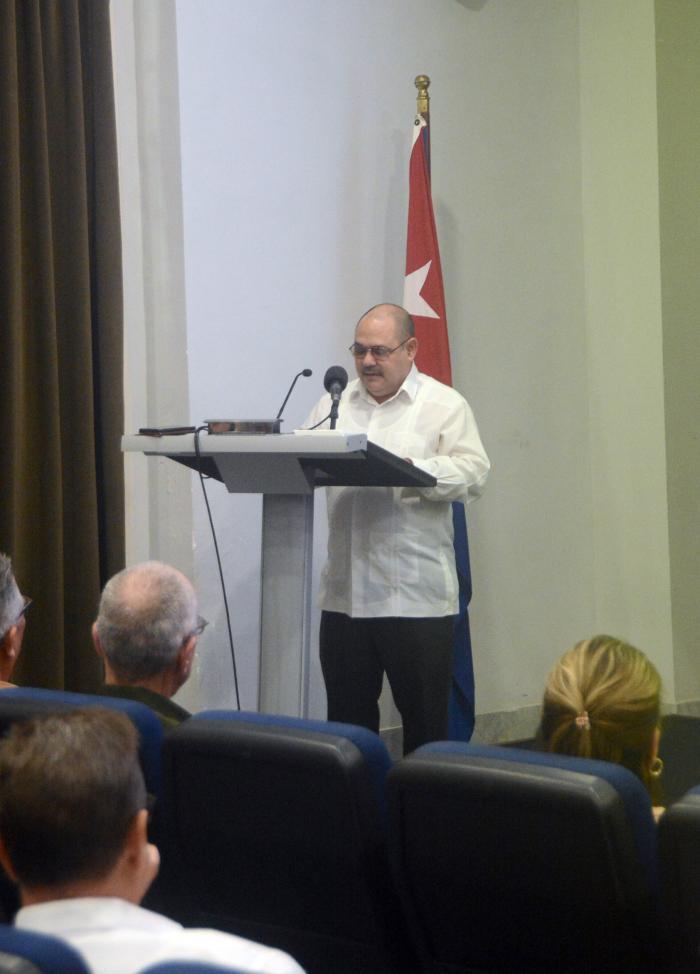
With the participation of nearly 198 delegates from 19 institutions, veterans of the campaign, and a call to embrace the lessons of Bay of Pigs as a "strategic necessity" in the current context, the theoretical workshop "Bay of Pigs, 65 Years after the great victory against imperialism,"” organized by the Ideological Department of the Central Committee of the Communist Party of Cuba, the Institute of Cuban History, the Office of Historical Affairs, and the center itself, concluded this Wednesday at the Fidel Castro Ruz Center.
Rolando Yero Travieso, head of the Department of Social Sector Affairs of the Party’s Central Committee, stated that, in the country’s current situation, "analyzing the legacies of Bay of Pigs is not an exercise in nostalgia; it is a strategic necessity; because Bay of Pigs marked the first major defeat of imperialism in the Americas, and that lesson in resistance, forged over 72 hours of combat, illuminates our current path and the defense of Cuba, sustained by its people and admired by the peoples of the world."
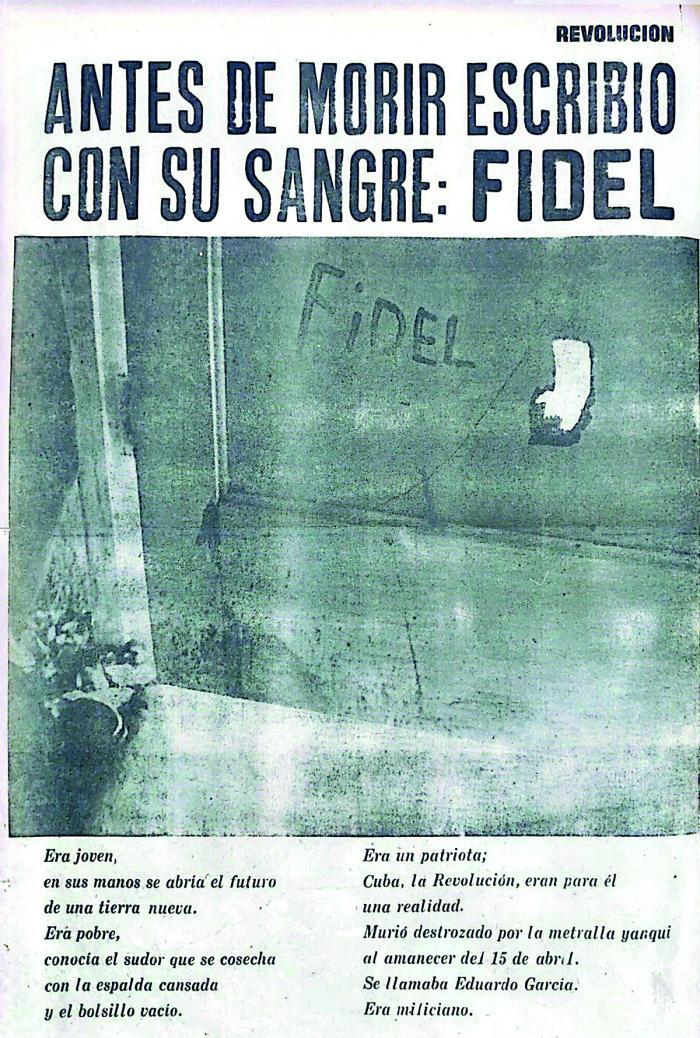
He added that debating this topic, on the Fidel’s centennial, is to vindicate the relevance of his method, his absolute trust in the masses, and his ideological clarity and revolutionary intransigence: "Today, 65 years after that socialist April, in a world still marked by imperialist aggression and the struggles for the sovereignty of peoples, Fidel’s words on Bay of Pigs remain astonishingly relevant."
For his part, René González Barrios, director of the Fidel Castro Ruz Center, emphasized that these testimonies "served as an inspiration for the young people present at the event."
He emphasized that the 19 presentations "reflected the historical context in which the battle took place" and highlighted the significance of that feat as "a source of pride for the Cuban people and a benchmark for anti-imperialism in the Americas and the world."
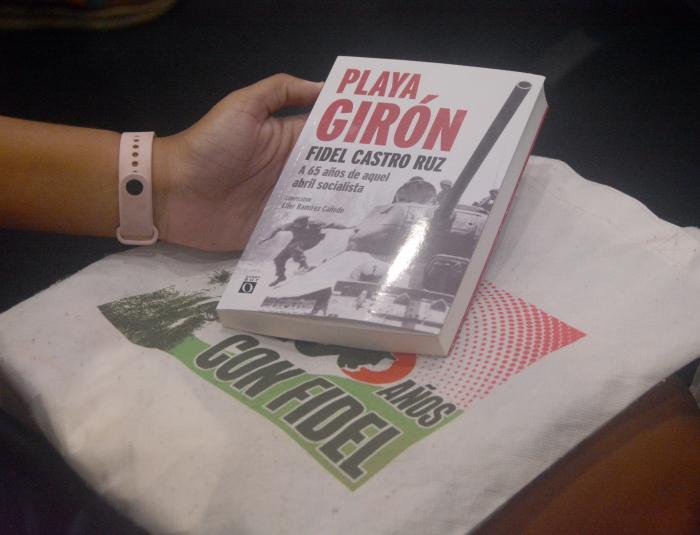
Among the topics covered were: the background of the invasion and the U.S. military’s prior actions against Cuba; the unequal and superior military force deployed by the enemy; the characterization of the invading brigade and that of our forces, based on the militias; and the validity of the military strategy developed by Fidel, among others. Additionally, presentations of books and film materials were part of the program.
In his closing remarks, the director of the Fidel Castro Ruz Center noted that the workshop did not exhaust the topics related to the battle and announced that the presentations given may be included in a book.
The closing ceremony was also attended by Yuniasky Crespo Baquero, head of the Ideological Department of the Central Committee, as well as other officials and leaders from this political organization, the State, the Government, the Union of Young Communists, the Ministry of the Interior, the Revolutionary Armed Forces, and diplomatic representatives.