
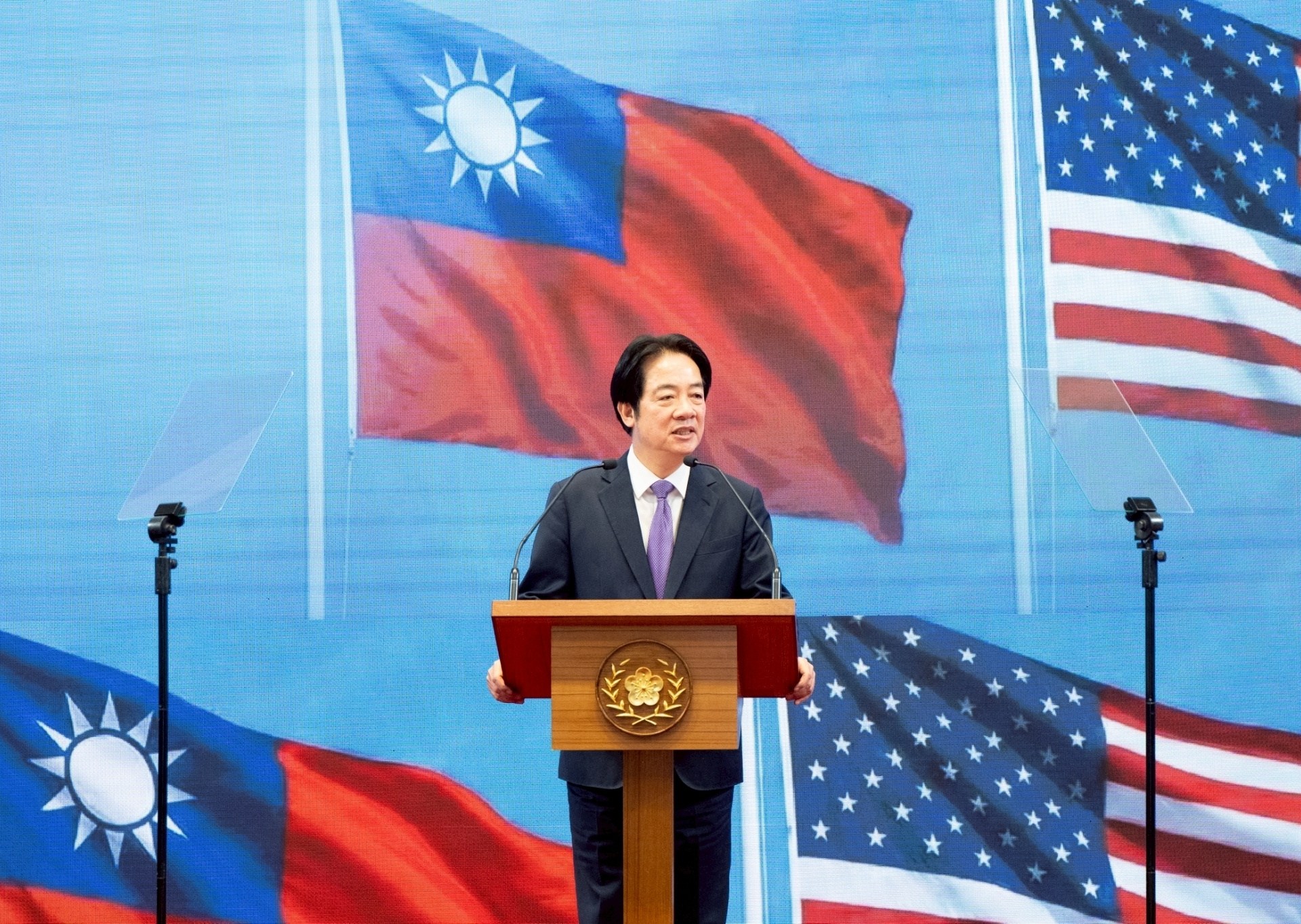

Taiwan’s President William Lai Ching-te has said he would be “happy” to talk to United States President Donald Trump – a conversation that would break more than four decades of diplomatic protocol and risk angering China.
Trump told reporters on Wednesday that he would speak to Lai, as the White House weighed a massive arms package sale to the democratic island. It was the second time since a summit in Beijing last week that Trump has said he would call the Taiwanese leader.
- list 1 of 3Russia-China ties ‘stabilising’ force in world, Putin says before Xi talks
- list 2 of 3‘China holds the cards’: Why Putin’s visit to Beijing after Trump matters
- list 3 of 3Taiwan’s president says future will not be decided by ‘external forces’
end of list
US and Taiwanese presidents have not spoken directly since Washington shifted diplomatic recognition to Beijing from Taipei in 1979. China claims Taiwan as part of its territory and has never renounced the use of force to bring Taiwan under its control.
On Wednesday, Trump reiterated he would speak to Lai, dispelling initial speculation that his mention of Lai after his Beijing summit with Chinese President Xi Jinping was a verbal slip.
President Lai said on Thursday that Taiwan was “committed to maintaining the stable status quo in the Taiwan Strait” and that “China is the disruptor of peace and stability”, the island’s Ministry of Foreign Affairs said in a statement.
Lai would be “happy to discuss these matters with President Trump”, the statement said.
“I’ll speak to him. I speak to everybody,” Trump said, adding that he had a great meeting with Chinese President Xi Jinping during his state visit to Beijing last week. “We’ll work on that, the Taiwan problem,” Trump said.
After wrapping up his trip to Beijing, Trump suggested arms sales to Taiwan could be used as a bargaining chip with China, as the US weighed whether to approve a new arms sales package for the island, which could be worth some $14bn.
Advertisement
The US is bound by the 1979 Taiwan Relations Act to provide Taiwan with the means to defend itself, despite a lack of formal diplomatic ties.
Lai’s government has been on the offensive of late, insisting that US policy on Taiwan has not changed and that Trump made no commitments to China on arms sales to the island.
“Given that US policy toward Taiwan remains unchanged, I think we remain cautiously optimistic about arms purchases,” Taiwan Defence Minister Wellington Koo said.
Taiwan relies heavily on US support to deter any potential Chinese attack. It has been under intense pressure to increase its spending through investment in US firms.
In 2016, shortly after his first election victory, president-elect Trump accepted a phone call from then-Taiwanese President Tsai Ing-wen, angering Beijing, shocking diplomats, world leaders and China experts.
Related News
Israeli attacks kill at least four in southern Lebanon
US pushing Israeli de-escalation ahead of new talks: Lebanese official
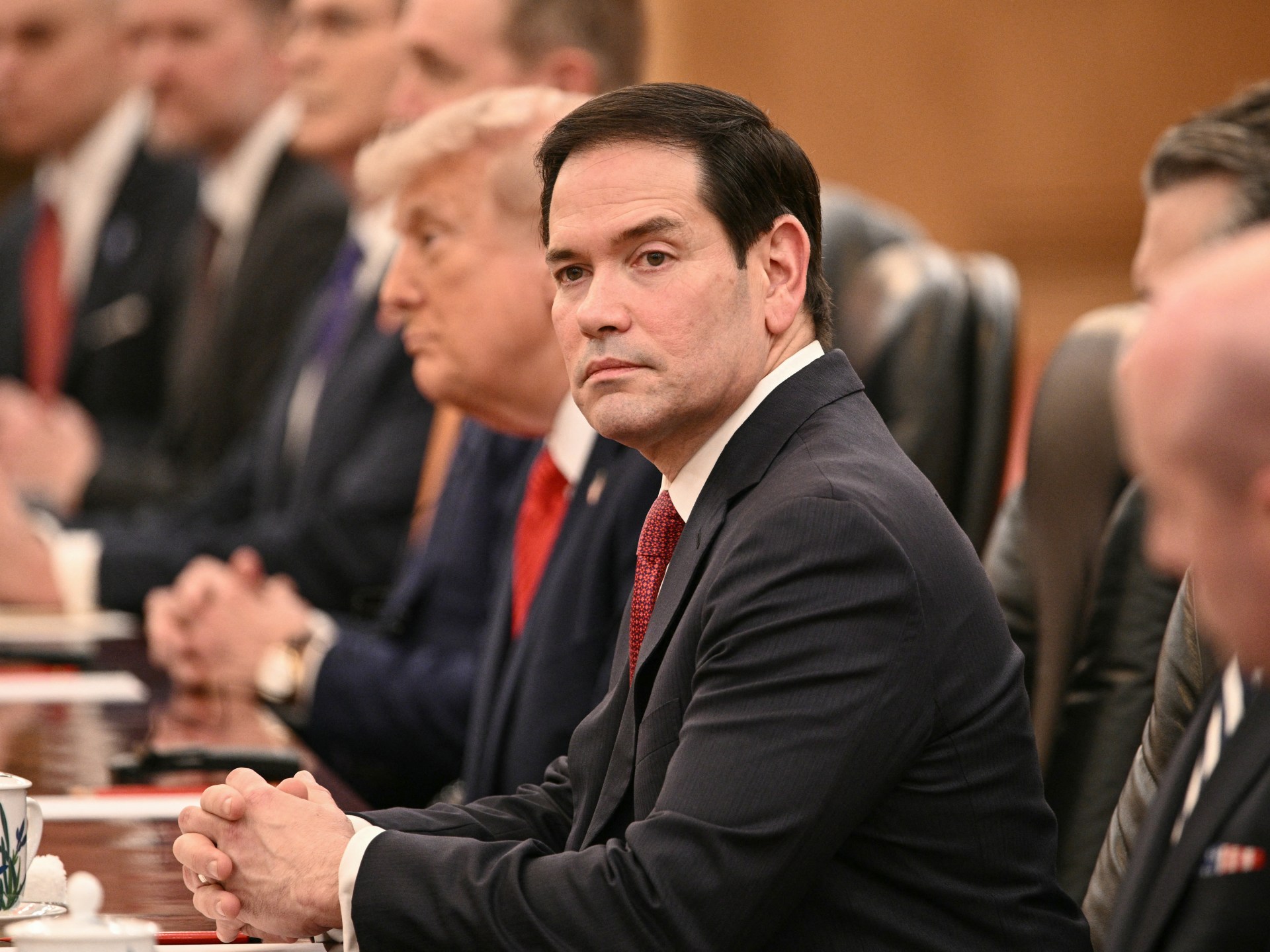
How China changed Rubio name to let him join Trump summit despite sanctions