
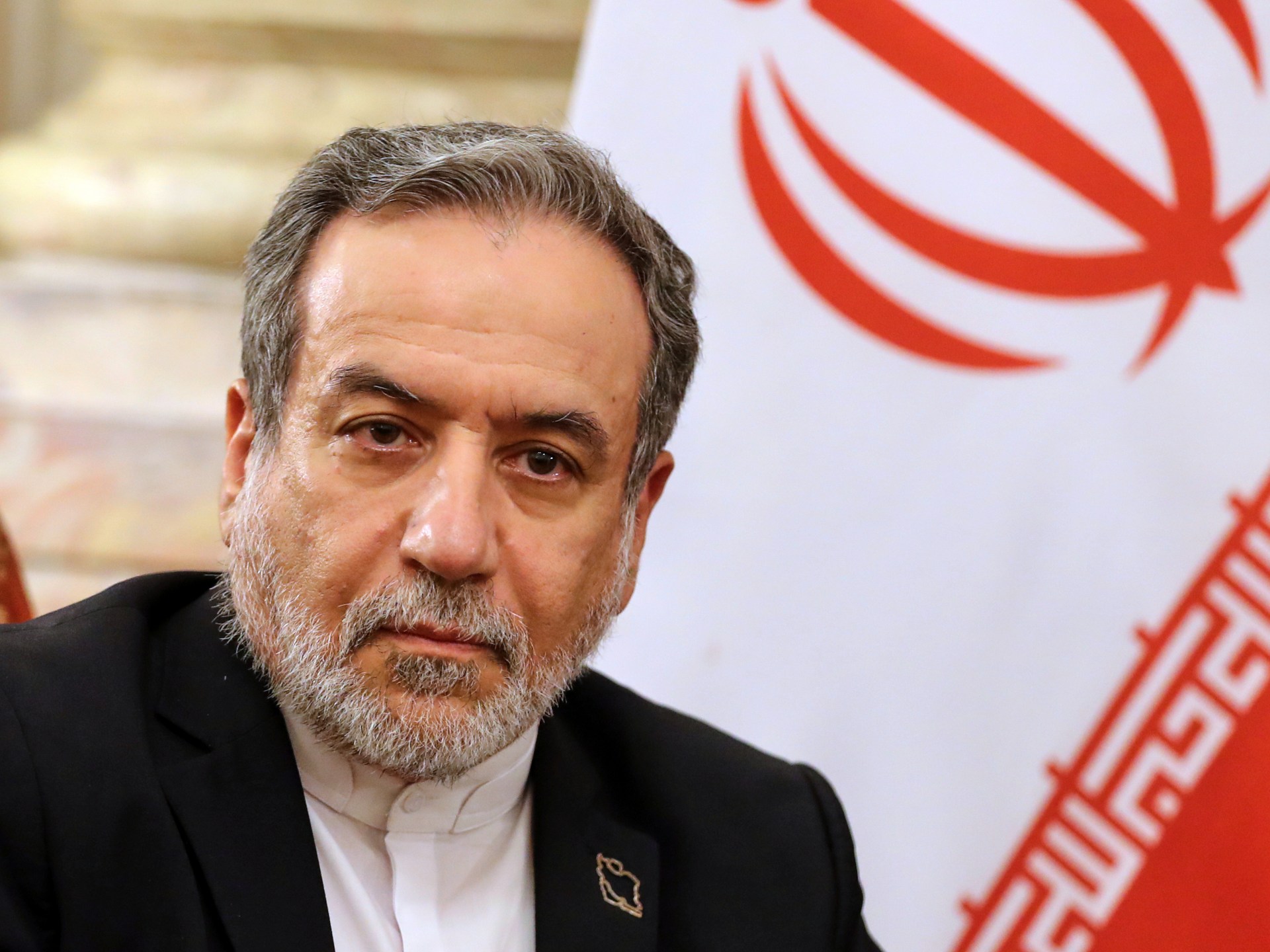

Iranian Foreign Minister Abbas Araghchi has confirmed direct contact with United States President Donald Trump’s top envoy Steve Witkoff amid the ongoing war, but downplayed talks of negotiations in an exclusive interview with Al Jazeera on Tuesday.
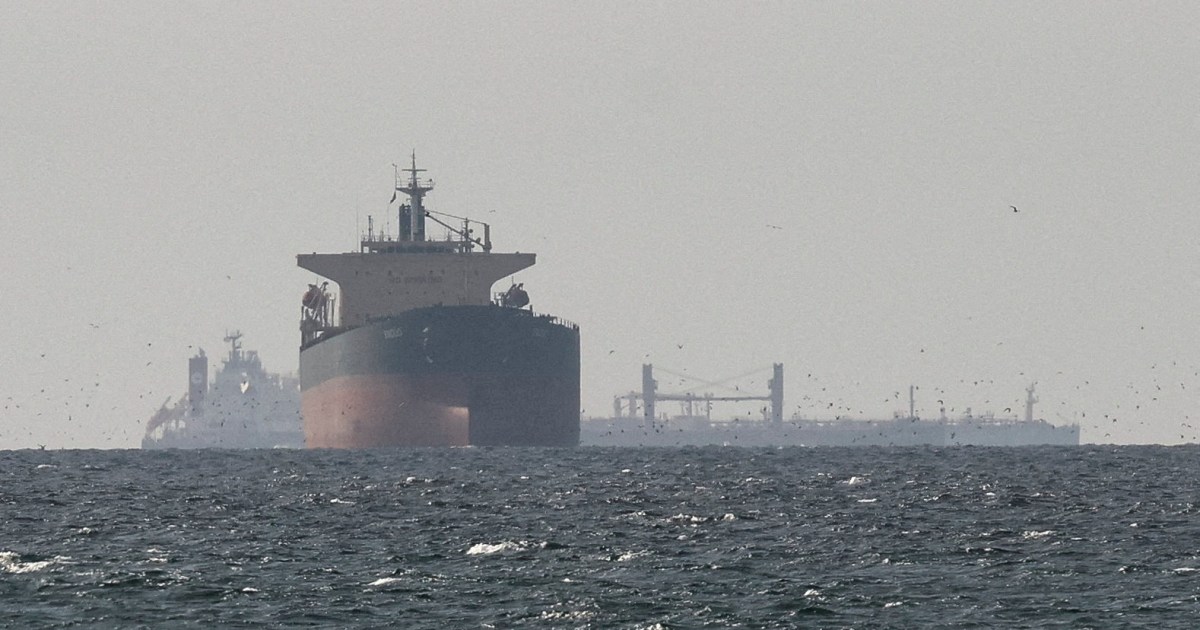
Araghchi also spoke about the future of the Strait of Hormuz – the critical waterway through which 20 percent of the world’s oil and gas pass in peacetime – after the war is over, and about Iran’s preparations for a potential US ground invasion.
- list 1 of 4Trump says US will be leaving Iran in two to three weeks
- list 2 of 4Trump tells allies ‘get your own oil’, says Iran war could end in 2-3 weeks
- list 3 of 4Iran war: What is happening on day 33 of US-Israel attacks?
- list 4 of 4Iran attacks cause fire in Kuwait, Bahrain; kill man in UAE
end of list
Here are key takeaways from Araghchi’s interview with Al Jazeera:
Talked to Witkoff, but no negotiations
Araghchi confirmed that he had held conversations with Witkoff, Trump’s trusted envoy for peace negotiations around the world, during the current conflict.
But the Iranian foreign minister downplayed that contact.
“I receive messages from Witkoff directly, as before, and this does not mean that we are in negotiations,” he said.
“There is no truth to the claim of negotiations with any party in Iran. All messages are conveyed through the Foreign Ministry or received by it, and there are communications between security agencies,” he added.
Araghchi explained that they have never had a “good experience” negotiating with the US, referring to Washington’s decision to withdraw from the Barack Obama-era nuclear deal during Trump’s first term. The US has also twice attacked Iran during negotiations over the past nine months — in June 2025 and with the current war, which began on February 28, at a time when Oman, the mediator between the two sides, had said they were on the cusp of a breakthrough over Tehran’s nuclear programme.
Advertisement
“We do not have any faith that negotiations with the US will yield any results. The trust level is at zero,” Araghchi said, adding: “We don’t see honesty.”
Pakistan has been facilitating the contacts between Araghchi and Witkoff in recent days, officials close to these developments have told Al Jazeera. Pakistan also hosted talks with Saudi Arabia, Egypt and Turkiye last weekend, to try and build momentum for direct talks between Iran and the US. Pakistan’s Deputy Prime Minister and Foreign Minister Ishaq Dar also visited Beijing on Tuesday to try and secure China’s support for those efforts.
Iran, Oman to decide Strait of Hormuz future
In the interview, Araghchi argued that the waters of the Strait of Hormuz fall under the territorial control of Iran and Oman, and that once the war is over, it is these two countries who would decide the future of the waterway.
But he added that the strait should be a “peaceful waterway”.
Gulf nations, including Qatar, have, however, insisted that they be included in any talks to decide the future of the strait.
Araghchi also insisted in the interview that, from Iran’s perspective, the strait is open for ships from most nations.
“Only for the ships of those who are at war with us, this strait is closed. That is normal during war – we cannot let our enemies use our territorial waters for commerce,” he explained.
“Ships linked to other countries – because of security concerns, because of high insurance prices, or whatever other reason – they have decided not to use the strait,” he said. He also mentioned that some countries have engaged in negotiations with the Iranian government for the transit of their ships: some Indian, Pakistani, Turkish and Chinese vessels have passed through the strait.
On a US ground invasion: ‘We are waiting for them’
Even as Trump and his administration have spoken of diplomacy with Iran, the US has ramped up troop deployments to the Gulf in recent days.
Recent media reports from the US have also suggested that the Pentagon is preparing options for a ground invasion of Iran.
Asked about those reports, Araghchi said Iran was ready to fight US troops if they were to engage in a land war.
“We are waiting for them,” he said. “I don’t think they’d dare to do such a thing. There will be a lot of strength waiting for them.”
“We know very well how to defend ourselves. In a ground war, we can do it even better. We are completely ready to confront any sort of ground attack. We hope they do not make such a mistake,” Araghchi said.
Advertisement
Related News
Nepal’s ex-PM Oli detained over alleged role in deadly protest crackdown

Migrants march in southern Mexico to denounce immigration restrictions
Land Day: What happened in Palestine on March 30, 1976?