
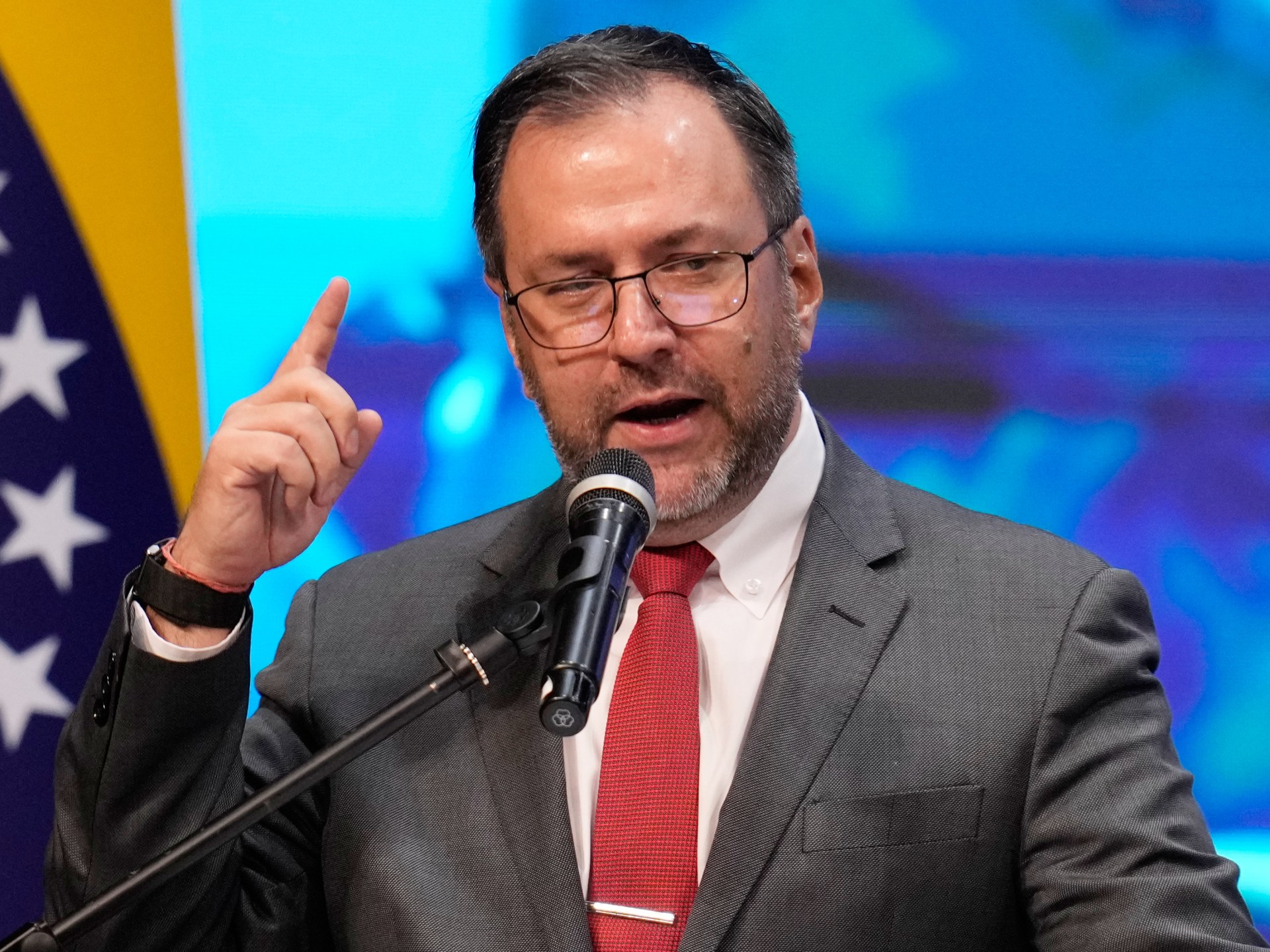

Venezuela’s Foreign Minister Yvan Gil has demanded the immediate release of the country’s President Nicolas Maduro, who was abducted last month in a violent raid orchestrated by the United States.
Addressing the United Nations Human Rights Council in Geneva on Monday, Gil demanded Maduro’s “immediate release” by the US government, alongside his wife, Cilia Flores.
- list 1 of 4A fragile freedom for Venezuela’s released political prisoners
- list 2 of 4Brazil’s Lula says Maduro should face trial in Venezuela, not US
- list 3 of 4Venezuela grants amnesty to 379 political prisoners
- list 4 of 4Venezuela receives more than 1,500 amnesty requests under new law
end of list
Maduro and Flores have been in prison in New York since the January 3 operation, awaiting trial on drug trafficking and so-called conspiracy to commit “narcoterrorism” charges. Despite the whirlwind operation, relative calm has prevailed in Venezuela since, while faultlines in the country’s leadership remain active under the helm of interim President Delcy Rodriguez.
Rodriguez has shifted from early defiance to a more conciliatory tone towards the administration of US President Donald Trump, in contrast to Gil, who has levelled harsher condemnations of US actions.
Gil on Monday, addressing the UN council, said the US operation, which he called a “systematic campaign”, resulted in more than 100 deaths. He described Maduro’s abduction as a “political operation disguised as a legal debate”.
Despite these events of early January, however, the foreign minister stated that Venezuela is not in a state of war with the country that he said has been attacking it for the past decade, noting the US blockade and sanctions imposed on Venezuela for years in “full view of the world”.
Last week, the International Monetary Fund (IMF) described Venezuela’s economic and humanitarian situation as “quite fragile”, pointing to an estimated triple-digit inflation and a sharply depreciating currency. Sanctions have played a role – but so has government mismanagement.
Advertisement
Earlier this month, the US Department of the Treasury announced it was easing some sanctions on Venezuela’s energy sector, the largest reprieve since Maduro’s abduction.
Gil further stated that Venezuela has begun a process of reconciliation and political coexistence following recent developments in the country, and emphasised that Venezuela will resolve its issues internally, referring to the recently approved 2026 Amnesty Law for Democratic Coexistence.
The law, which was signed on Thursday, could free hundreds of people jailed over protests and political unrest dating back decades. This week alone, it granted amnesty to 379 political prisoners. The new regulation marks a considerable shift for the country, which has long denied holding any political prisoners.
Gil, in his address to the UN rights council, stressed that human rights should not be used as a pretext for war and that the UN forum must remain impartial.
“Human rights should not be instruments of political war; they should not be selective, and they should not depend on ideological alignment,” said Gil.
“While some countries are subjected to constant and disproportionate scrutiny, tragedies of enormous magnitude, such as the devastation of the Palestinian people, do not receive the firm and proportionate attention demanded by international law and human conscience,” he added.
Gil also urged the council to end all punitive measures against Venezuela and to respect the sovereignty of states.
Related News
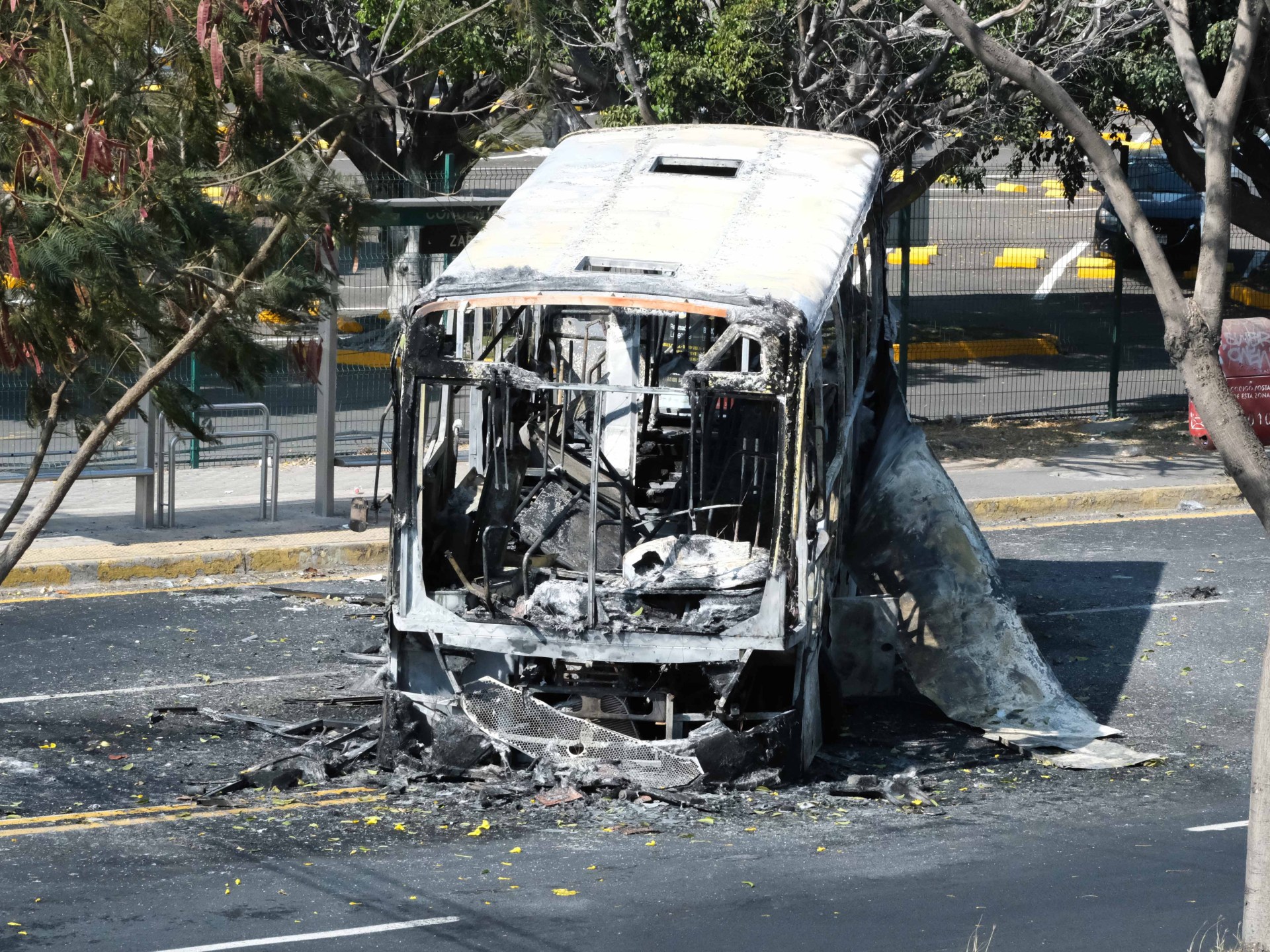
Burnt vehicles line highway near Mexican World Cup stadium
Who are Bangladesh’s new cabinet members?
Second round of US-Iran talks to begin at Oman’s embassy in Geneva