
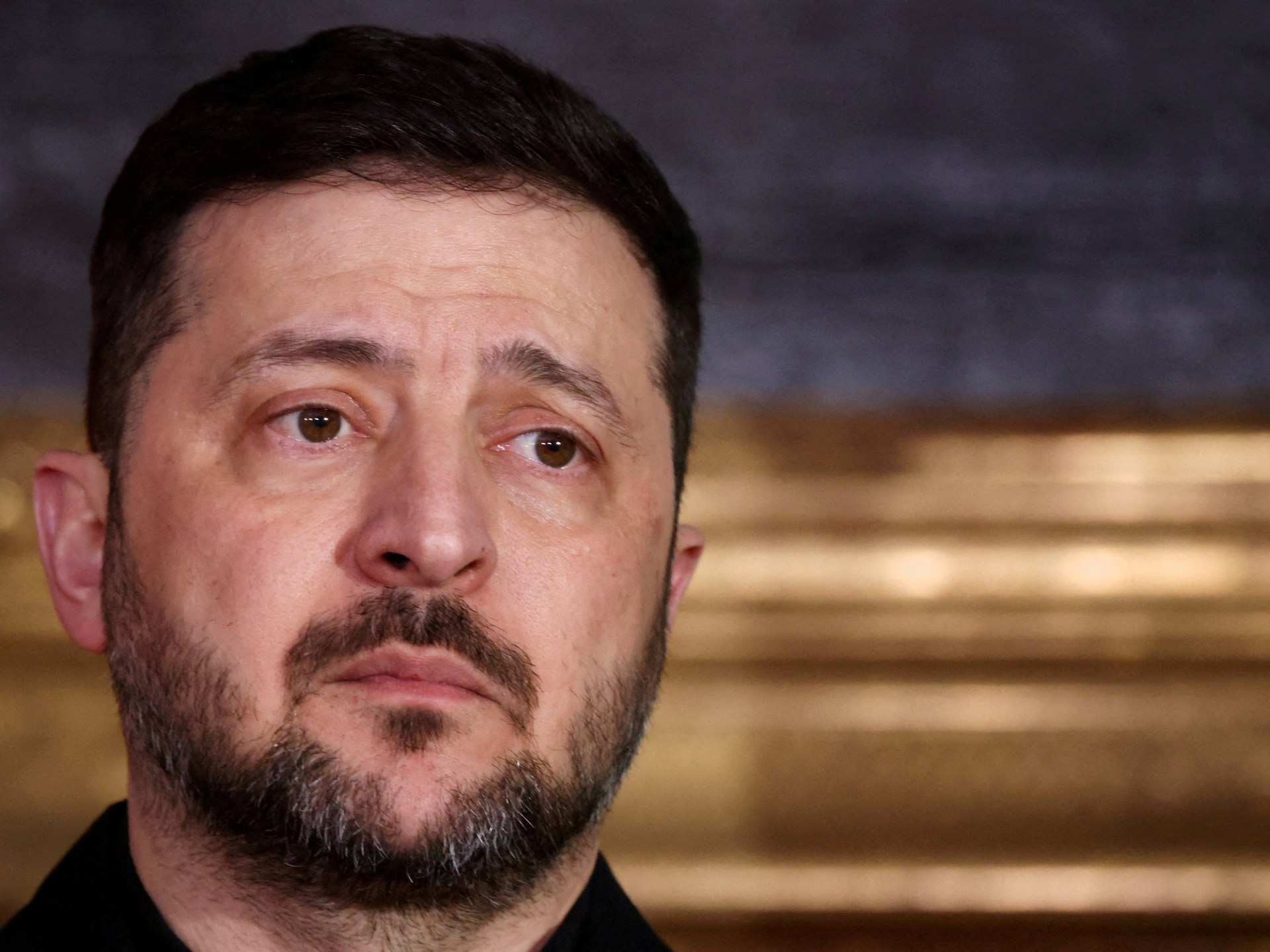

President Volodymyr Zelenskyy has urged allies to keep up sanctions pressure on Russia’s economy ahead of a second day of talks between Ukraine and United States officials on ways to end the more-than-four-year Russia-Ukraine war.
Russia’s representatives were not present at the talks, which opened on Saturday in Florida. They were originally expected to attend the negotiations, which had been due to take place in the United Arab Emirates, before the US-Israeli war on Iran.
- list 1 of 3EU leaders slam Hungary’s Orban for blocking Ukraine aid package
- list 2 of 3China’s silence on Iran reveals its true priorities
- list 3 of 3Iran says US and Israel attacked Natanz nuclear facility
end of list
The US delegation is being led by special envoy Steve Witkoff and Jared Kushner, US President Donald Trump’s son-in-law.
In a post on X on Sunday, Zelenskyy called for tougher action against Moscow’s so-called shadow fleet of tankers and for it to be denied oil revenues.
“Over the past week, Russia launched nearly 1,550 attack drones against Ukraine, more than 1,260 guided aerial bombs, and two missiles. Over that same week, due to the easing of sanctions, Russia increased its crude oil sales to finance its war,” Zelenskyy wrote.
“Revenues give Russia a sense of impunity and the ability to continue the war. That is why pressure must continue, and sanctions must work. Russia’s shadow fleet must not feel safe in European waters or anywhere else,” he said.
The Ukrainian president added that tankers that “serve the war budget can and must be stopped and blocked, not just let go”.
The so-called shadow fleet is a network of vessels that continue to export oil and gas despite Western sanctions due to the ongoing war with Ukraine.
Advertisement
Last week, the French Navy seized an oil tanker in the Western Mediterranean, which France’s President Emmanuel Macron said was part of Russia’s shadow fleet, a network of vessels used to export oil despite Western sanctions.
The shadow fleet, which has grown following Western sanctions on Russia aimed at curbing Moscow’s oil revenues, has helped to keep Russian oil exports flowing.
The last time the Ukrainian and Russian delegations met was in February in the Swiss city of Geneva, but no progress was made, as key issues surrounding territory remain unresolved.
Moscow has repeatedly said it will not agree to a peace deal that gives up the Ukrainian territory it has captured during the war. In contrast, Kyiv has said it will not agree to a deal that does not lead to the return of its territory.
Elements of the peace plan being promoted by the US include a presidential election in Ukraine, alongside territorial concessions.
Zelenskyy, whose term has already expired, is under renewed pressure from Trump to hold a vote as Washington pushes Kyiv towards a peace deal.
Ukrainian law bars wartime elections, but Zelenskyy has said Ukraine would be ready to hold democratic elections if the US secured a two-month ceasefire to allow time to prepare infrastructure and put security guarantees in place.
Related News
Spain removes ambassador from Israel, as opposes war on Iran, Gaza genocide
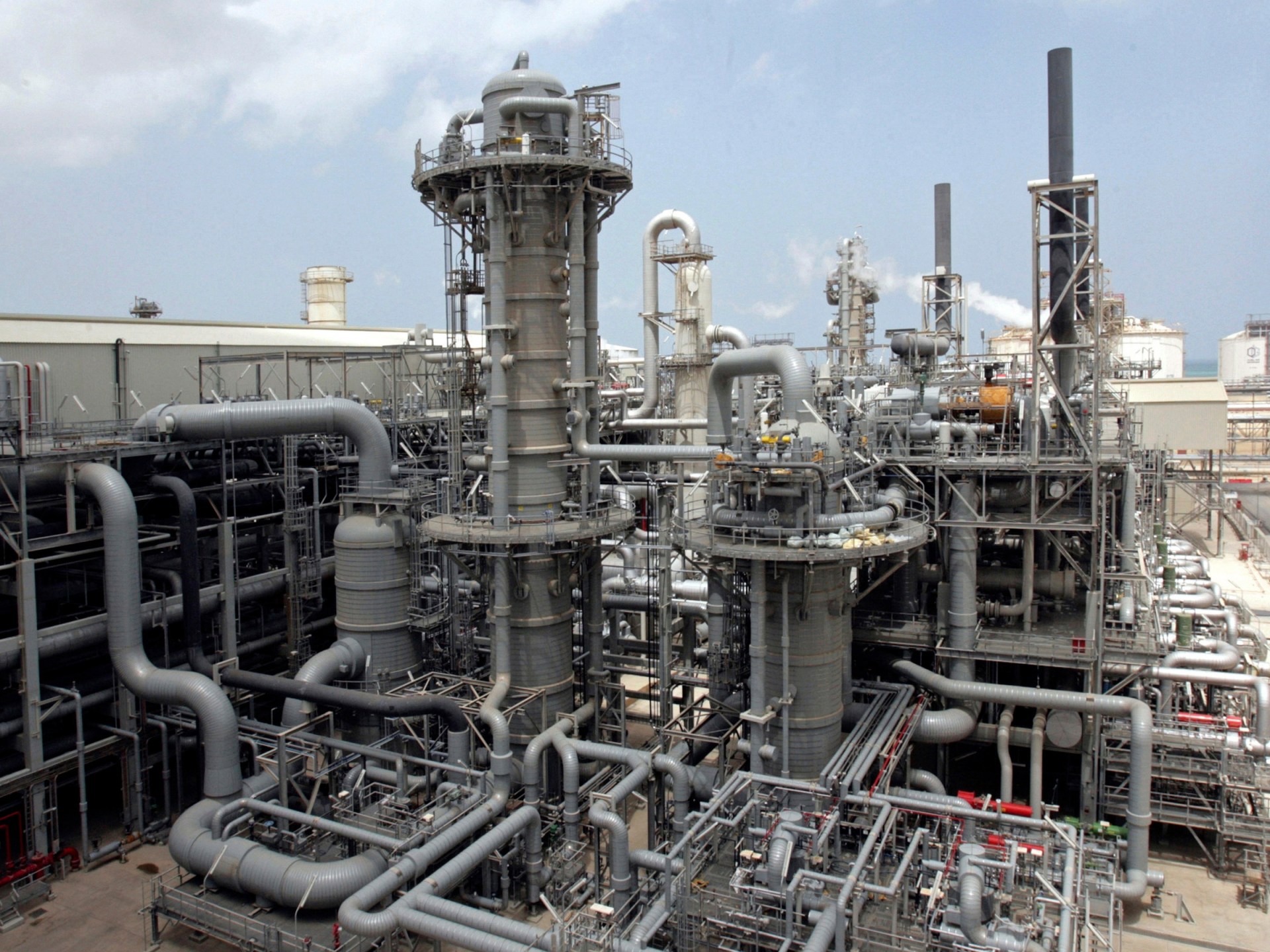
Qatar expels Iranian attaches after LNG facility strike
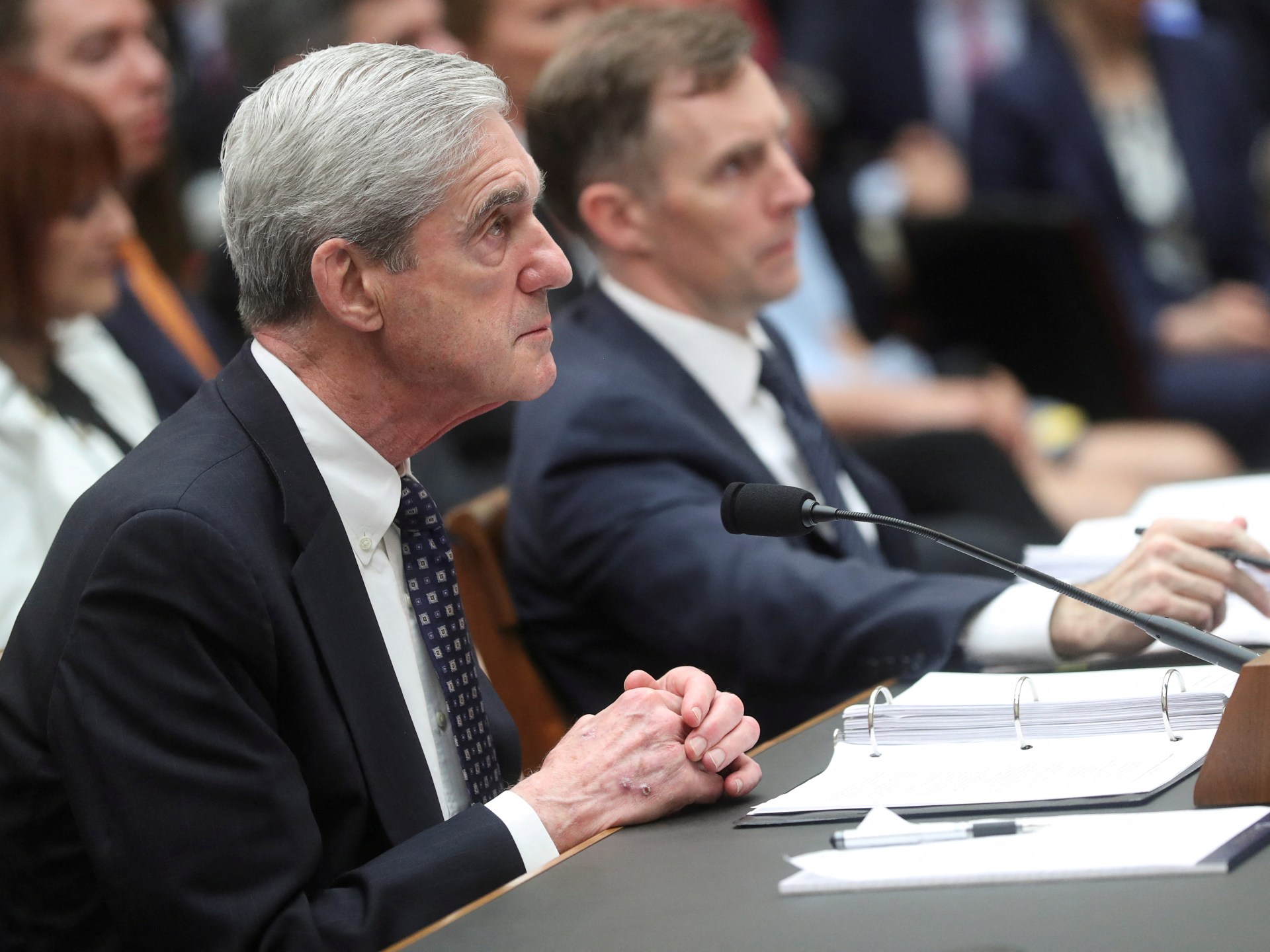
Former FBI chief, Robert Mueller, dead at 81