

European Council President Antonio Costa has said Russia is the only country benefitting from the US-Israeli war on Iran, as global energy prices soar and attention from Moscow’s four-year conflict with Ukraine is diverted.
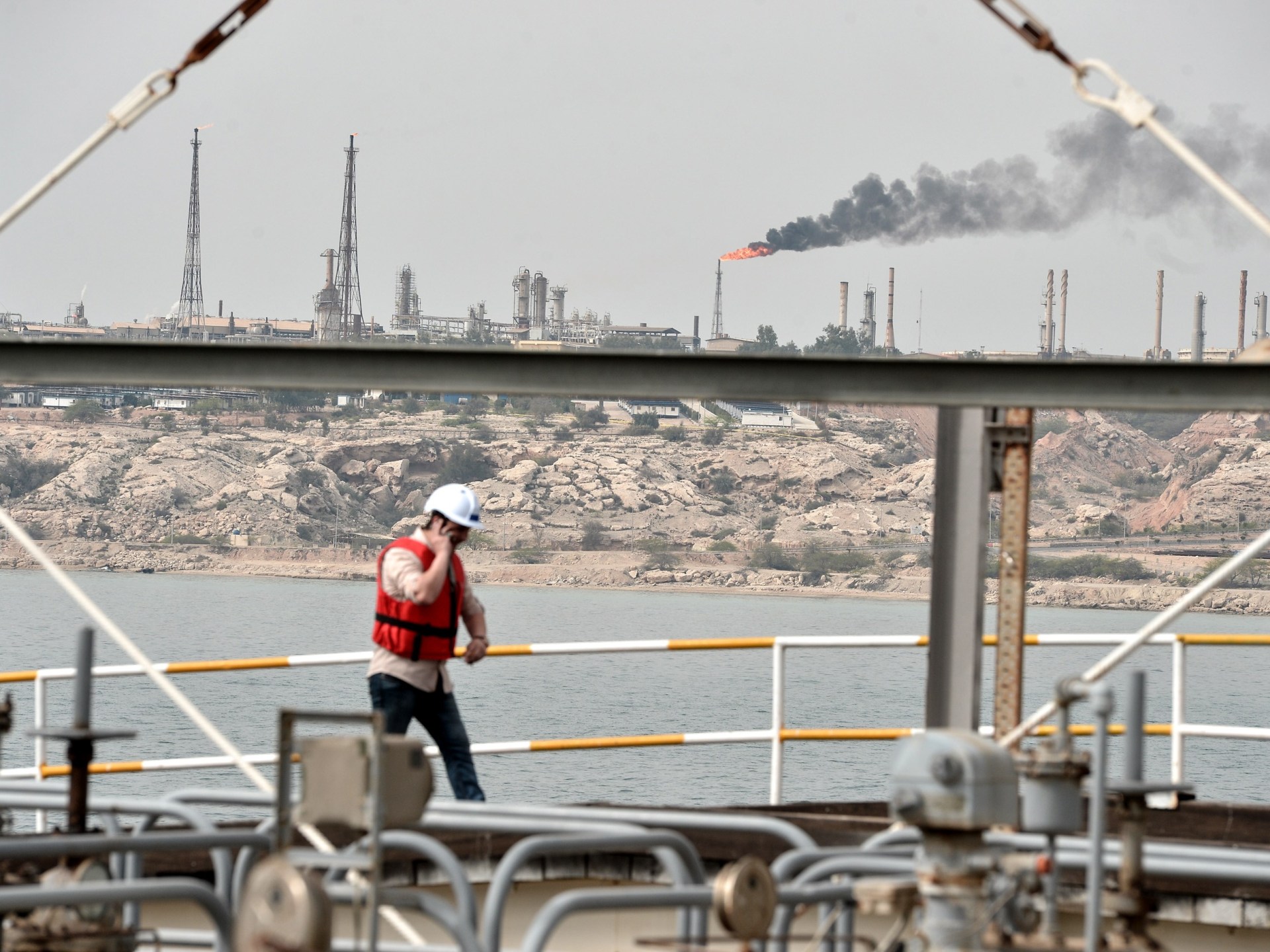
Now in its 11th day, the war has spiralled rapidly throughout the region as Iranian forces hit back at US and Israeli targets, as well as facilities in the Gulf. It has also slowed oil and natural gas flows through the strategic Strait of Hormuz to a near standstill, pushing fuel prices upwards and threatening far-reaching impacts on a number of industries.
- list 1 of 3US downplays reports Russia gave Iran intel to help Tehran strike US assets
- list 2 of 3Oil soars past $100 a barrel, stocks plunge as US-Israel war on Iran rages
- list 3 of 3Which US and Israeli military companies are profiting from the Iran war?
end of list
“So far, there is only one winner in this war – Russia,” Costa said in a speech to European Union ambassadors in Brussels on Tuesday.
“It gains new resources to finance its war against Ukraine as energy prices rise. It profits from the diversion of military capabilities that could otherwise have been sent to support Ukraine. And it benefits from reduced attention to the Ukrainian front as the conflict in the Middle East takes centre stage.”
Costa stressed the need for the EU to protect the international rules-based order, which he said was now being challenged by the United States, and for all parties in the Middle East to return to the negotiating table.
“Freedom and human rights cannot be achieved through bombs. Only international law upholds them,” he said. “We must avoid further escalation. Such a path threatens the Middle East, Europe, and beyond.”
The US and Israeli attack on Iran triggered the biggest spike in oil prices on Monday since the turmoil following Russia’s invasion of Ukraine in 2022.

Costa’s comments came as the Kremlin said all parties wanted to continue US-mediated Russia-Ukraine peace talks, but that no date or venue had been agreed yet for the next round.
Advertisement
Russia and Ukraine held three rounds of talks in Turkiye last year and have conducted several more US-mediated sessions in Abu Dhabi and Geneva this year. But they remain far apart on key issues, especially on Russia’s demand for Ukraine to cede control of the whole of its eastern Donetsk region.
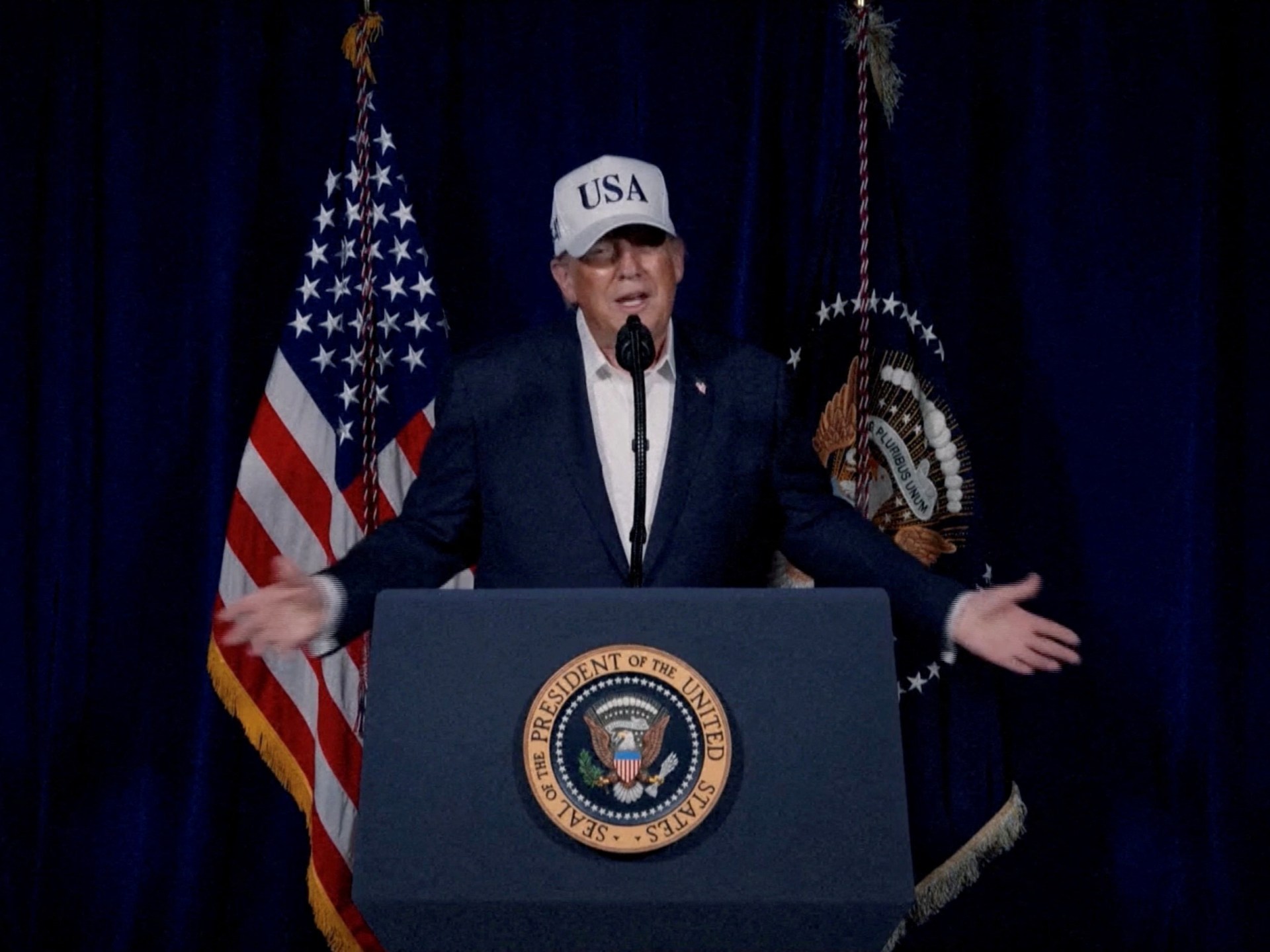
On Monday, US President Donald Trump and his Russian counterpart, Vladimir Putin, held their first phone call of the year, during which they discussed the wars in Iran and Ukraine.
The Kremlin said the possibility of lifting US sanctions on Russian oil had not been discussed in any detail with Washington, but that US actions were aimed at stabilising global energy markets.
Following this call, Putin said Russia, the world’s second-largest oil exporter and holder of the biggest natural gas reserves, was ready to work again with European customers if they wanted to return to long-term cooperation.
Before the Ukraine war, Europe was buying more than 40 percent of its gas from Russia. By 2025, combined sales of pipeline gas and LNG from Russia accounted for only 13 percent of total EU imports.
Also on Monday, Trump said his administration would lift some sanctions on oil-producing countries to keep energy prices down – though he did not say which ones.
Washington currently maintains sanctions on the oil sectors of Russia, Iran and Venezuela.
The Reuters news agency, citing multiple unnamed sources, reported that Trump was considering easing sanctions on Russia as part of his plans to keep oil prices down.
US Treasury Secretary Scott Bessent last week announced a 30-day waiver on sanctions on Russian oil sales to India to help it cope with the cuts to Middle East supply.
Related News
US embassy in Baghdad attacked as US-Israel war on Iran escalates
Questions for Marcos Jr 40 years after Philippines ‘People Power’ revolt
US-Israel attack Iran live: Embassy in Riyadh hit; Hormuz Strait ‘closed’