
Middle East oil exports surpass pre-war levels despite tensions, data shows
 05 October 2026
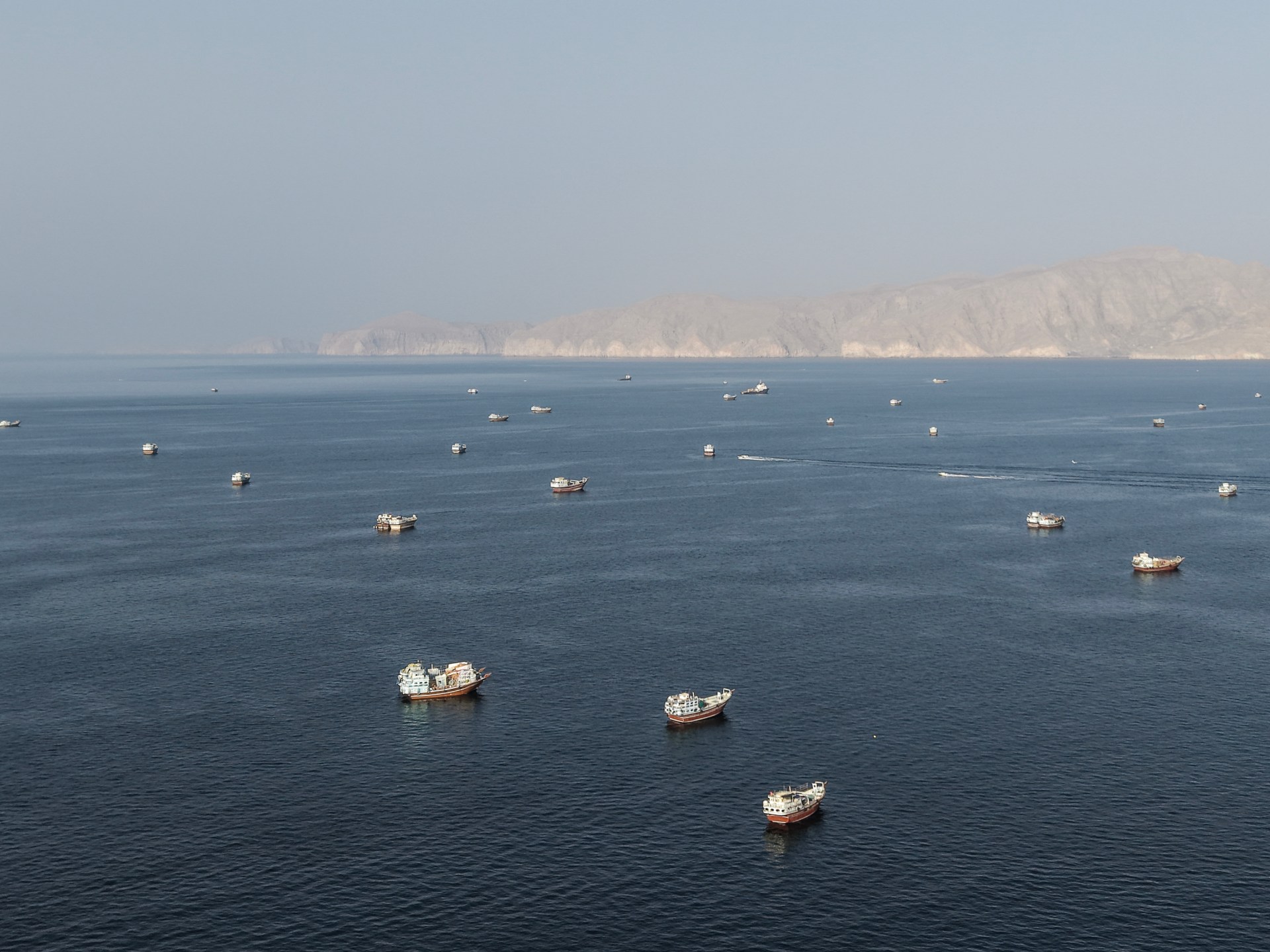

Crude oil exports from the Middle East have risen above pre-war levels on four of the seven days in the last week of September, provisional data from ship-tracking firm Kpler showed.
However, senior Islamic Revolutionary Guard Corps (IRGC) commander Ali Fadavi said in a televised interview on Sunday night that only three to four million barrels of oil per day (bpd) are now moving through the route, dismissing the amount as “negligible” when compared with pre-war traffic.
- list 1 of 3Iran says Hormuz to remain closed until US meets conditions
- list 2 of 3US withdraws B-1 bomber aircraft from UK’s Fairford base amid Iran fears
- list 3 of 3Why is fighting intensifying in Yemen’s Taiz governorate?
end of list
Fadavi said, for the first time, no US vessels were present in the Gulf, the Strait of Hormuz, the Sea of Oman or even the northern Indian Ocean and US warships are “100 percent vulnerable” to IRGC attacks.
Kpler data showed crude exports from the region exceeded pre-war levels on September 24 and between September 27 and 29, rising to 19.5-22.5 million bpd.
Around that time, Iran claimed success in attacking ships – including US Navy vessels – near the Strait of Hormuz, saying the strikes had forced Washington to move its warships further from the Iranian coast.
Before the US-Israel war on Iran began, exports averaged 18 million bpd between March 2025 and February 2026.
According to Kpler data, the overall tally for crude, oil products, chemicals and non-gas liquids averaged 22.4 million bpd in the seven days to September 30.
On October 1, the seven-day moving average for crude exports was at 18.5 million bpd. This includes transits via the Strait of Hormuz, the Red Sea, exports from terminals and ship-to-ship transfers in the Gulf of Oman.
Advertisement
The number of liquefied natural gas cargoes exiting the Strait of Hormuz also rose in September to its highest monthly level since February.
The figures exclude any vessels that might have crossed the strait with their automatic identification system transponders turned off to avoid detection.
The United Kingdom Maritime Trade Operations agency reported at least one attack a day in the Strait of Hormuz or in the Gulf of Aden since October 2.
On Sunday, Iran’s top negotiator and parliament speaker, Mohammad Bagher Ghalibaf, said the Strait of Hormuz would remain closed until the United States accepts Tehran’s seven-day plan to reopen the waterway.
Related News

Huckabee blames ‘biblical illiteracy’ for waning support for Israel in US

‘New path’: UK’s Burnham promises huge expansion of public services

Samoa PM apologises after Nazi salute video emerges