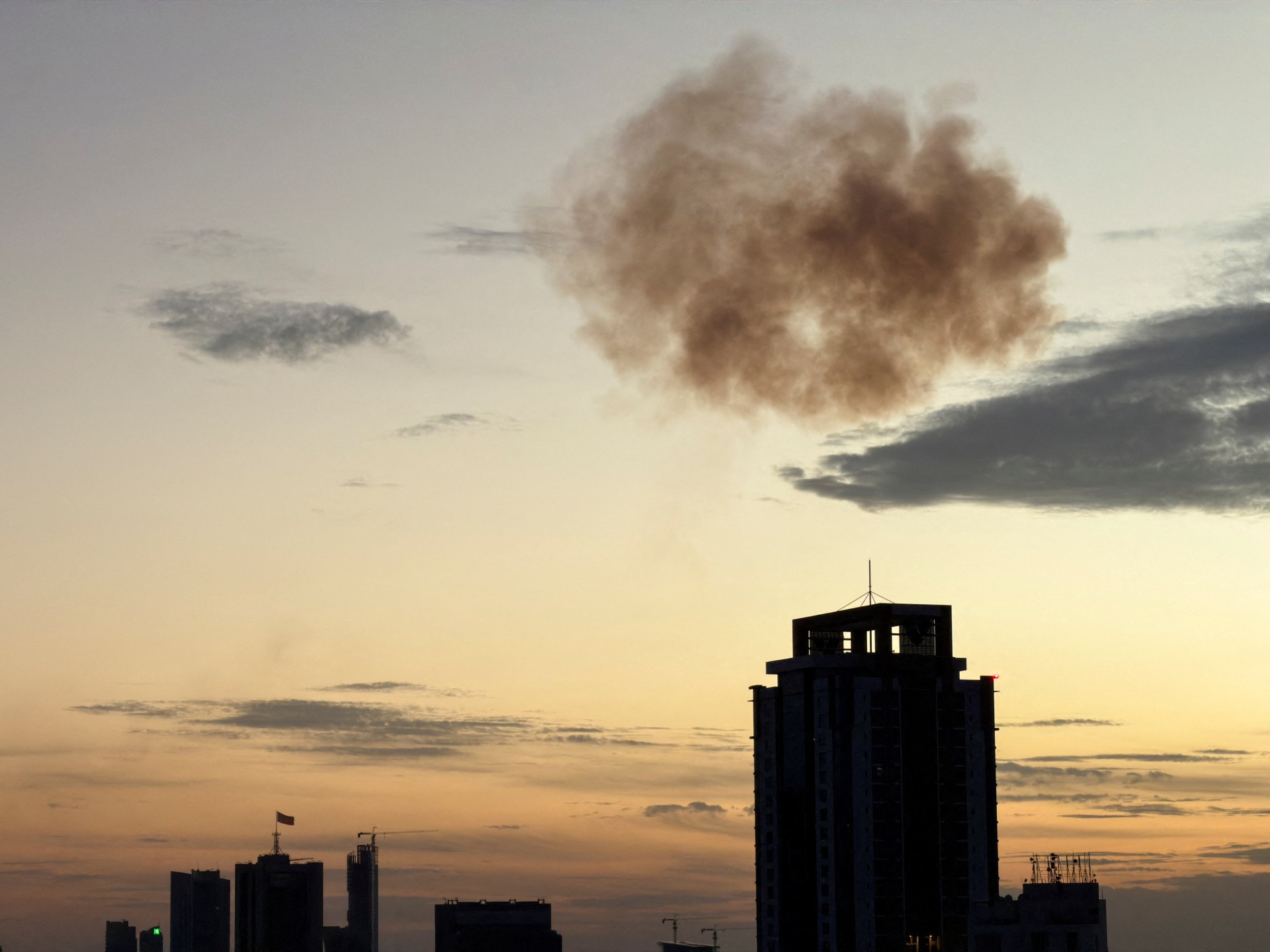

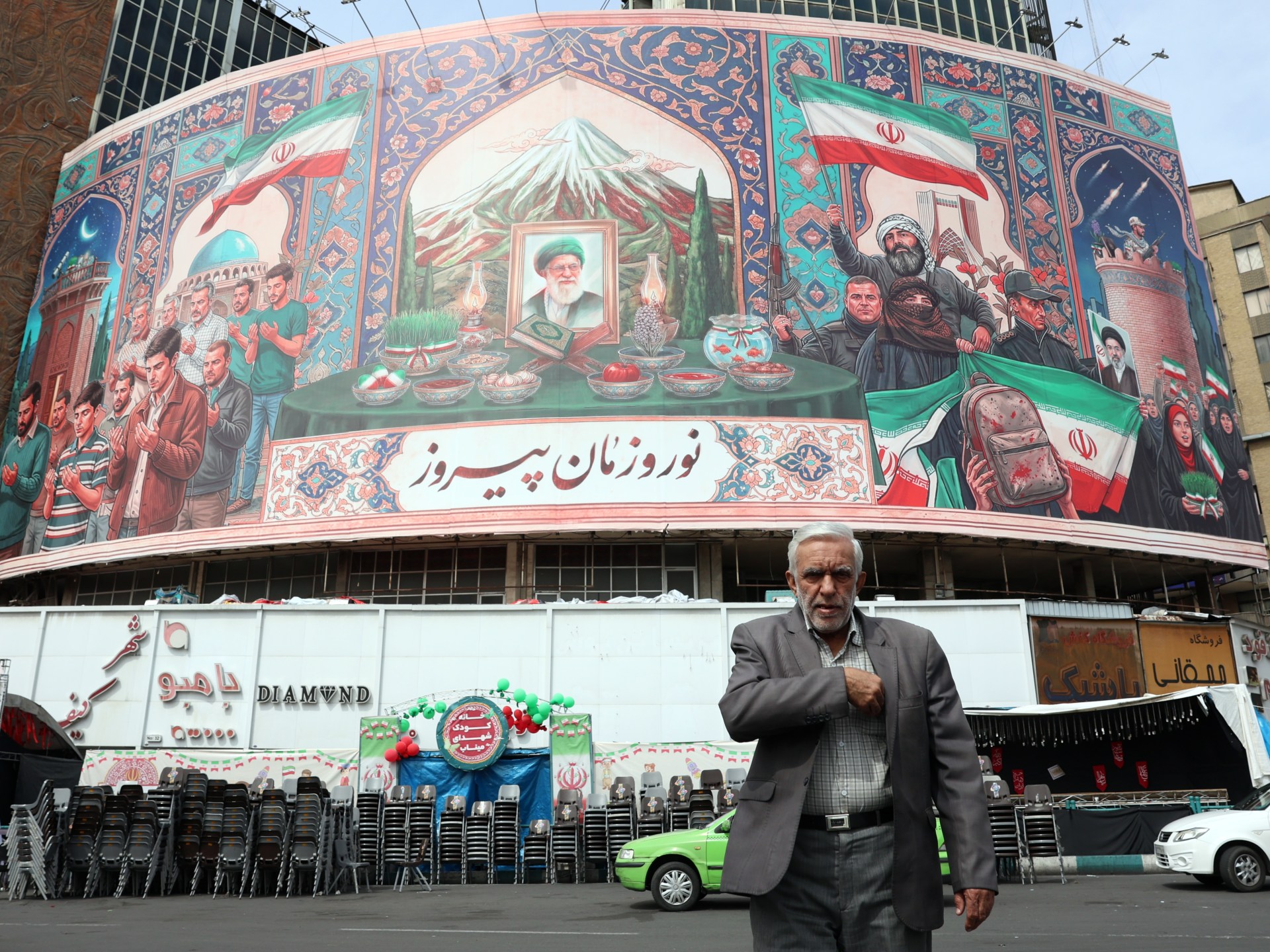

Iran has threatened to hit energy sites in the Middle East after United States President Donald Trump threatened to attack its power plants if Tehran does not open the Strait of Hormuz.
Critical infrastructure and energy facilities in the region could be “irreversibly destroyed” should Iranian power plants be targeted, Iran’s Parliament Speaker Mohammad Bagher Ghalibaf said in comments posted on X on Sunday.
- list 1 of 4Trump issues 48-hour Hormuz Strait ultimatum, threatens Iran’s power plants
- list 2 of 4‘Very difficult evening’: Israel says at least 180 wounded in Iran attacks
- list 3 of 4Did Iran launch missiles at US-UK base on Diego Garcia? Here’s what to know
- list 4 of 4Iran war: What’s happening on day 23 of US-Israel attacks?
end of list
“Immediately after power plants and infrastructure in our country are targeted, vital infrastructure as well as energy and oil infrastructure across the entire region will be considered legitimate targets and will be irreversibly destroyed,” Ghalibaf posted.
Ghalibaf’s comments came after Trump on Saturday said the US will “obliterate” Iran’s power plants if it doesn’t open the Strait of Hormuz within 48 hours.
Qalibaf said regional infrastructure would become “legitimate targets” should Iran’s facilities be hit, and that its retaliation would increase the price of oil “for a long time”.
Earlier, a spokesman for the Iranian armed forces had said there would be retaliatory attacks on all US-linked energy and desalination facilities in the region if Iran’s power plants are hit.
Iran, which has effectively blockaded the Strait of Hormuz since the US and Israel attacked the country on February 28, says the key waterway is already open – except to the US and its allies.
The strait remains open to all shipping except vessels linked to “Iran’s enemies”, Iran’s representative to the International Maritime Organization was quoted as saying in Iranian media reports published on Sunday.
Advertisement
The closure of the strait, a narrow choke point that carries around a fifth of global oil and liquefied natural gas (LNG) supplies, has caused the worst oil crisis since the 1970s.

Iran has also retaliated with drone and missile strikes targeting Israel, along with Jordan, Iraq, and several Gulf countries, which it says are targeting “US military assets”, causing casualties and damage to infrastructure while disrupting global markets and aviation.
But the latest developments signal the war in the Middle East, now in its fourth week, could be moving in a dangerous new direction.
Israeli Prime Minister Benjamin Netanyahu on Sunday called on world leaders to join the US-Israel war on Iran.
Speaking from the site of the Iranian attack in the southern Israeli city of Arad, he claimed some countries were already moving in that direction, as he urged broader international involvement.
Netanyahu accused Iran of targeting civilians and claimed it had the capability to strike long-range targets deep into Europe.
Meanwhile, a Turkish diplomatic source told the Reuters news agency that Turkish Foreign Minister Hakan Fidan held separate calls with Iranian Foreign Minister Abbas Araqchi, Egyptian Foreign Minister Badr Abdelatty, European Union foreign policy chief Kaja Kallas, and US officials to discuss steps to end the war.
Related News
Walid Khalidi, historian of the Palestinian cause, dies aged 100
Long before Trump: How US policy has harmed the environment for decades

Cuba electric grid collapses amid US oil blockade causing national blackout