
DRC’s Ebola outbreak began months before it was officially declared, says WHO
 10 August 2026
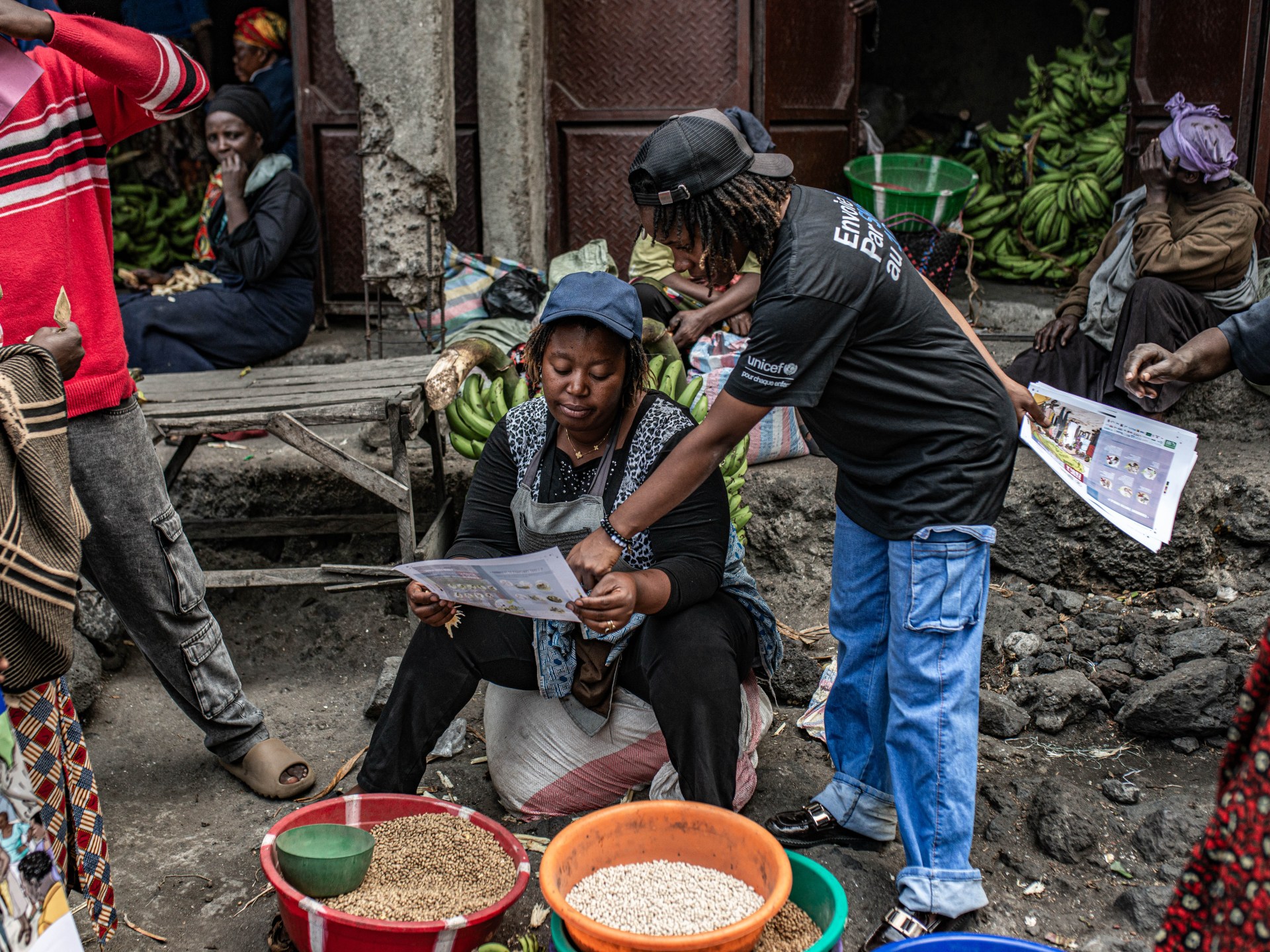

The fastest-growing Ebola outbreak on record started in February, months before it was officially declared in mid-May, said the World Health Organization (WHO) as responders in the Democratic Republic of Congo (DRC) battle the surge in cases.
Mohamed Janabi, the WHO’s regional director for Africa, told a news conference on Monday that sequencing indicated the outbreak’s start, with some cases early on wrongly attributed to malaria and typhoid.
- list 1 of 4Ebola outbreak accelerates as healthcare workers strike over pay
- list 2 of 4DR Congo Ebola health workers protest unpaid wages as deaths surpass 1,800
- list 3 of 4WHO chief: Ebola outbreak in DRC spreading at ‘unprecedented rate’
- list 4 of 4Ebola cases top 4,000 in DRC as WHO urges Ervebo vaccine trial
end of list
“So we are chasing the virus, the virus is ahead of us,” Janabi said.
Confirmed cases of Ebola in the DRC have reached 4,200, including at least 1,900 deaths, according to latest government figures.
The Ebola outbreak declared on May 15 is unlike most previous ones because the rare Bundibugyo virus has no approved vaccines or treatments. Early testing was conducted for the more common type of Ebola, contributing to delays.
The outbreak is unfolding in challenging conditions, with strikes by some unpaid health workers, threats by rebel groups, anger among long-traumatised communities and misinformation asserting that Ebola isn’t real.
Health teams travel on remote, unpaved roads and have reported shortages of protective gear, while the vast population of displaced people struggles to find reliable water sources for washing hands hygienically.
This Ebola outbreak has killed more people at a faster rate than any other, including the 2014-2016 outbreak in West Africa that is considered the worst on record with over 11,000 deaths in at least 28,000 cases. That outbreak took about eight months to reach 1,000 deaths.
Advertisement
Ebola is rare but highly contagious and can be contracted via contact with bodily fluids, such as blood or semen, and with contaminated surfaces and materials, such as bedding and clothing. The disease it causes is severe and often fatal.
Last week, WHO Director-General Tedros Adhanom Ghebreyesus said Ebola is spreading faster than efforts to fight it. New cases are doubling in some hotspots, Tedros said on X after meeting with officials in the capital, Kinshasa.
Access to healthcare in the region had already been challenged by years of rebel conflict in one of the DRC’s most remote and vulnerable areas.
On Friday, the WHO recommended the start of full-scale human trials for the Ervebo vaccine, the only licensed Ebola vaccine. While Ervebo has proven to be safe and effective against the more common Zaire strain of the Ebola virus, WHO experts said early data showed it may also give some protection against the rare Bundibugyo strain.
A specific Bundibugyo vaccine is the preferred option for fighting the current outbreak, according to experts from the United Nations’ health agency. Two potential Bundibugyo vaccines are in the early stages of clinical trials on people, while a third is being worked on to get it to that stage.
Several previous Ebola outbreaks have also been declared weeks or months late, including the 2014-2016 West Africa outbreak. That was declared in March 2014, although the first human case was later found to have occurred in December 2013.
Related News
UN, Palestinian ministry condemn Israeli settler siege of West Bank homes
Iran war live: IRGC claims ‘retaliatory attack’ on Kuwait

South Korea, US scale back annual military drills after Trump’s order