
Israel’s Shin Bet finds no evidence of foreign election meddling: Report
 09 November 2026


Israel’s Shin Bet has failed to find evidence of foreign interference in last month’s elections, despite claims from the domestic security agency’s chief, David Zini, and Prime Minister Benjamin Netanyahu, the newspaper Haaretz has reported.
Two senior Israeli law enforcement officials said that the investigation, which is still ongoing, has found no evidence that several hundred thousand shekels had been transferred from the Palestinian Authority (PA) to Arab-led parties in Israel, Haaretz reported on Monday.
- list 1 of 3Trump says Iran is sealed off. But can new US task force stop weapons flow?
- list 2 of 3Los Angeles mayoral race points to growing sway of democratic socialists
- list 3 of 3Iran stands by demands to end the war as US ramps up military pressure
end of list
The claims from Zini and Netanyahu, elements of which predated the vote, intensified in the wake of the strong electoral performance by the parties, led by Palestinian citizens of Israel, in the October 27 elections. Their 19 seats, confirmed by Israel’s election authorities, mean that Jewish parties opposed to Netanyahu have enough seats in parliament to force the prime minister out, if they are willing to work with the Arab-led parties.
Israeli President Isaac Herzog has tasked opposition politician Gadi Eisenkot with making the first attempt to form a government, possibly spelling the end of Netanyahu’s time as prime minister.
“[It is] certainly not a security matter, and it is highly doubtful that it is even a criminal one,” one of the officials quoted by Haaretz said.
“All there is is intelligence information without any real substantiation,” another quote attributed to one of the officials said.
Dozens of people have been questioned, but no evidence has so far been found of money being transferred. Haaretz also found that major fuel companies in Israel found no unusual activity involving fuel cards, undermining the allegation that Arab voters had been bribed with fuel cards in exchange for their votes.
Advertisement
Zini, who was selected by Netanyahu to lead Shin Bet last year and is regarded as an ally of the Israeli leader, has sought to investigate several leading politicians who are Palestinian citizens of Israel.
There were no transfers from Qatar or any other Arab country being investigated, despite allegations from Netanyahu’s party, Likud, that money had been sent as part of an effort to get more Palestinian citizens of Israel to vote.
Netanyahu also questioned why Ahmad Tibi, a leading Arab politician in Israel, visited Qatar a few days ahead of the election.
Tibi explained that his trip to Doha was to appear on Al Jazeera.
Qatar has denied the unsubstantiated allegations of interference or funding of any activities aimed at influencing the Israeli election results.
“We reject the accusations made by certain Israeli politicians and their contacts in the media, who have launched yet another disinformation campaign aiming to drag Qatar into Israeli political disputes following this week’s elections,” Qatar’s Ministry of Foreign Affairs spokesman Majed al-Ansari said in a social media post on October 29.
Israel’s attorney general Gali Baharav-Miara said on Sunday that she had seen no evidence from the investigation of anything that would have influenced the election results “or substantiate a claim of influence that could lead to a change in the election results”.
Israeli police and Shin Bet are expected to submit their assessments to Baharav-Miara in the next few days, the report said.
Related News
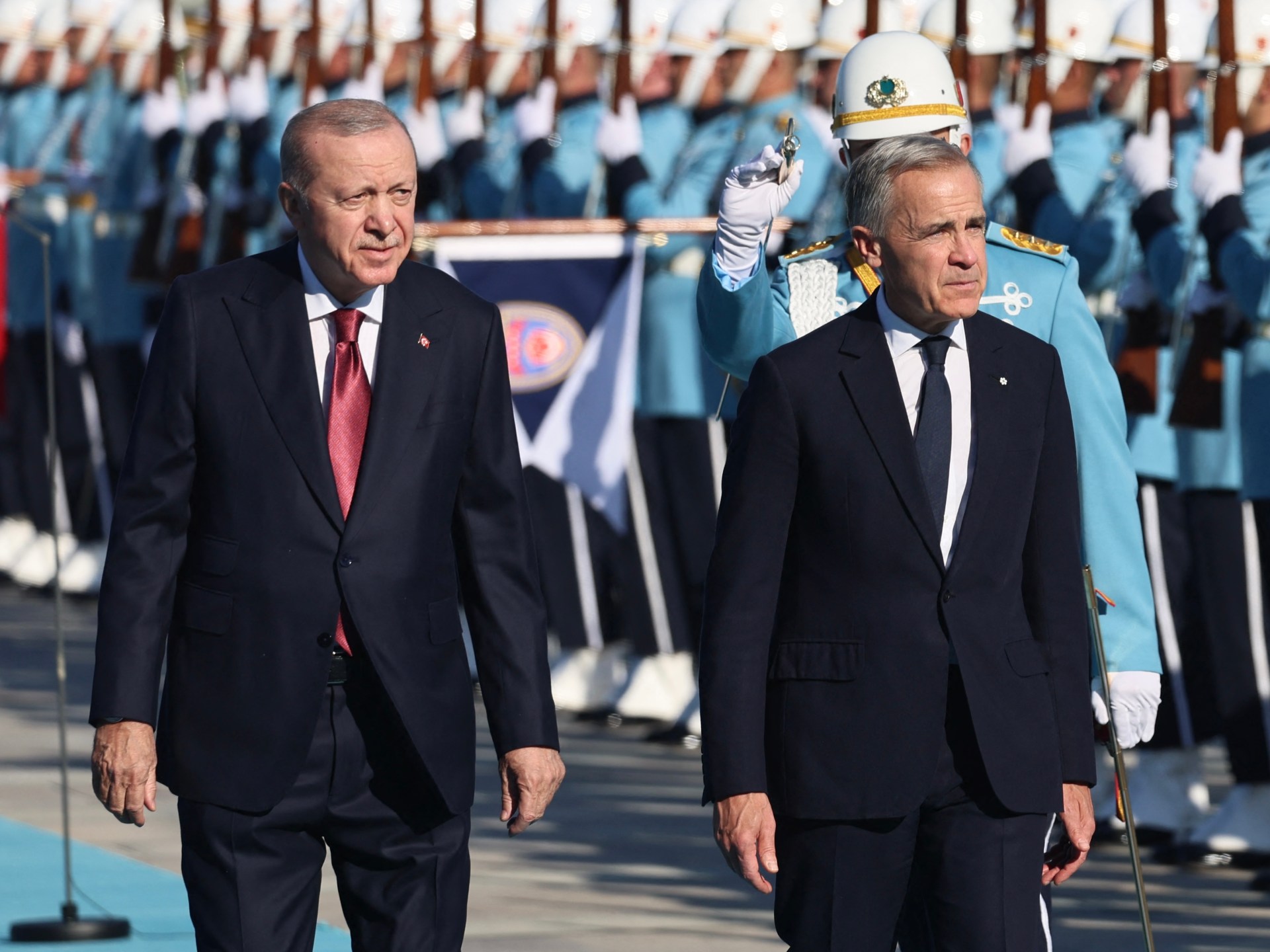
Carney and Erdogan launch ‘strong and resilient’ Canada-Turkiye partnership
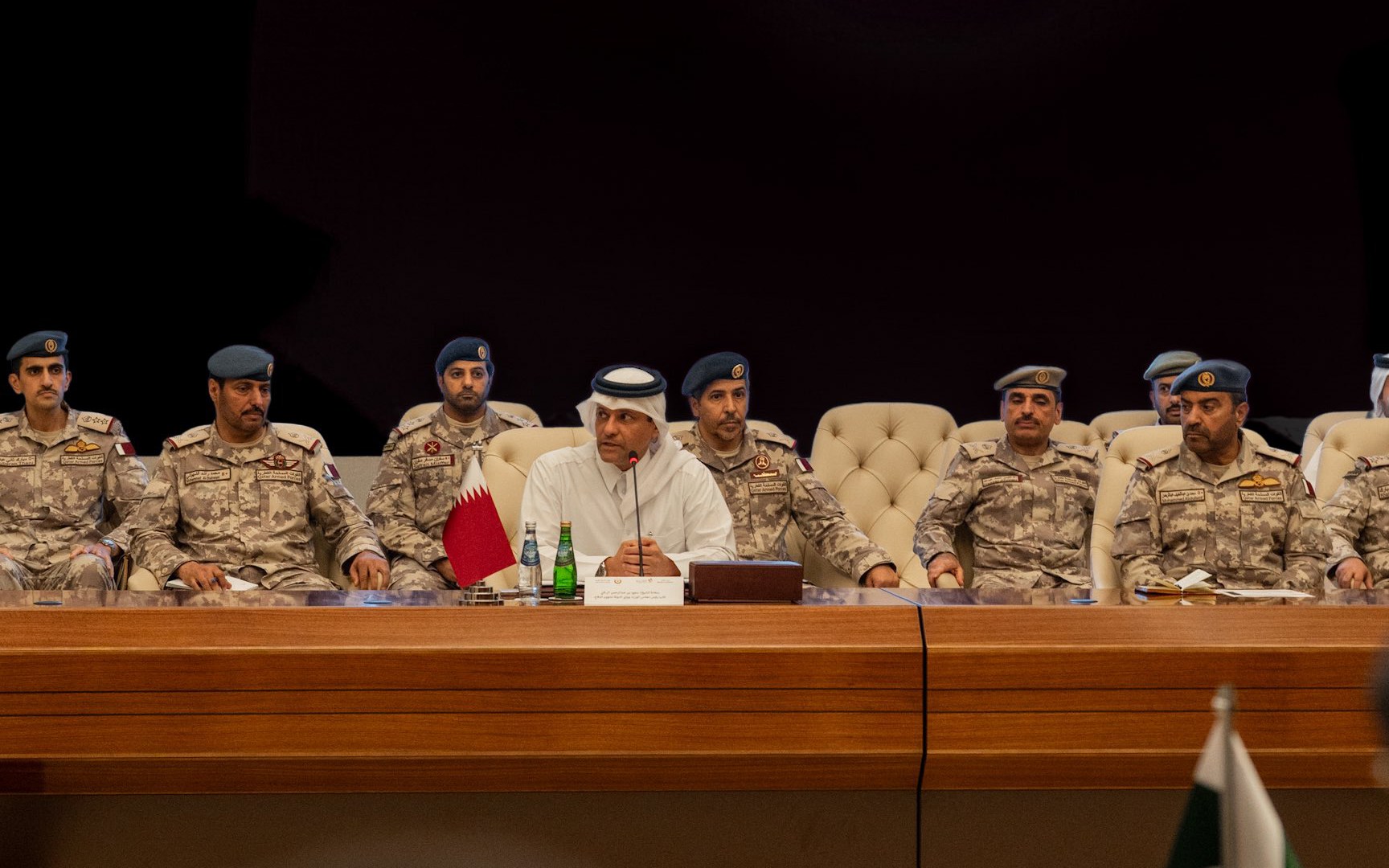
How Qatar, Turkiye, Pakistan and Indonesia are deepening defence ties

Almost all shallow-water coral reefs now face extinction risk, study warns