Libyan teachers’ strike escalates as union demands major education reforms
 05 October 2026
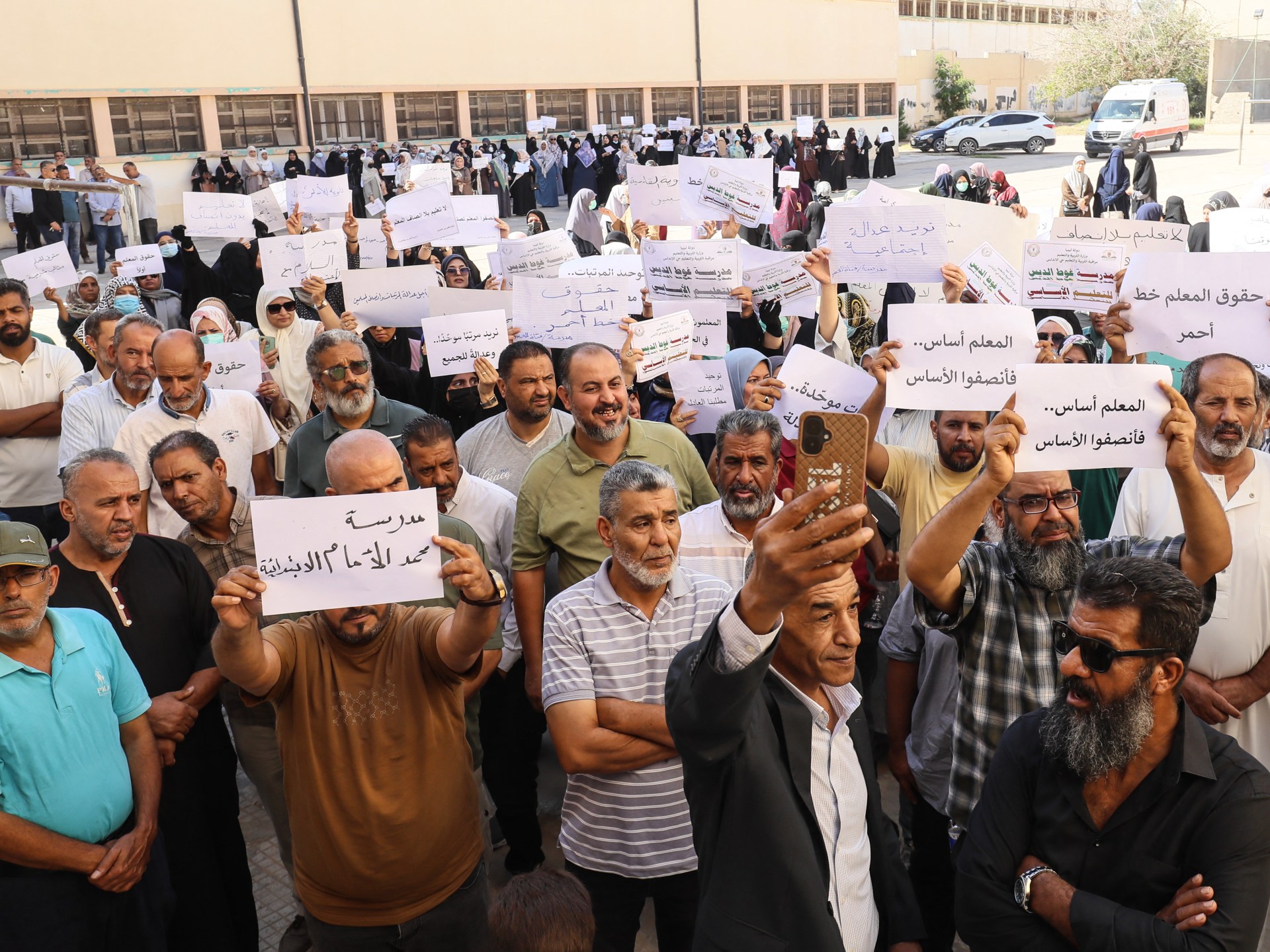

Teachers in Libya have escalated their protests over salaries into an open-ended strike at public schools.
Protests began on September 13, the day the school year was due to start. Sit-ins were held outside schools and government buildings in the capital, Tripoli.
- list 1 of 3Libya’s brain drain, 15 years after Tripoli fell
- list 2 of 3Rival Libya factions sign deal to hold national elections within two years
- list 3 of 3‘Dire situation’: Lebanese prisoners on hunger strike for 18 days
end of list
Two weeks later, Libya’s teachers union stepped up the campaign with a nationwide strike. It has kept students out of classrooms across the country.
On Sunday, several Libyan unions representing other sectors threatened to join the strike unless the government entered talks to address a cost of living crisis.
Prime Minister Abdul Hamid Dbeibah of the internationally recognised Government of National Unity (GNU) in Tripoli met with cabinet members to discuss a response to this crisis.
Libya has struggled with economic and political instability since a 2011 uprising ended the rule of late Libyan leader Muammar Gaddafi.
The strikes are occurring on both sides of Libya’s political divide: its western region, governed by the GNU, and its eastern region, which is under the control of renegade military commander Khalifa Haftar’s self-described Libyan National Army.
In April, the rival legislative bodies of both sides agreed a unified budget for the first time.
Here’s what we know about the dispute:
What are teachers demanding?
Teachers said they are facing declining salaries, unpaid arrears, insufficient benefits and deteriorating school conditions.
They demanded an immediate halt to what they called the “erosion of workers’ incomes”, citing deteriorating economic and living conditions.
Advertisement
Principal Muftah Khalifa told Al Jazeera Arabic that teachers were protesting against the government’s failure to respond to their repeated demands for higher and unified wages, health insurance and protection on and off school premises.
Teachers told the Reuters news agency they face problems ranging from a lack of computer labs to desks being too dilapidated to use. Staff and parents often have to pay for equipment themselves.
A key demand is the adoption of a unified pay system that would balance a large disparity in pay between workers in different sectors. It is a call that other unions have now rallied behind.
Libya’s unions said on Sunday that the system should take into account changes in the cost of living and the fluctuating dinar-US dollar exchange rate. Retirees have also called for the implementation of previous agreements on pensioners.
The unions said no “arbitrary or punitive” measures should be taken against workers, retirees or union leaders over their activities. They also called on Libya’s attorney general to act quickly against any corruption concerning public spending.

What does the current law say?
According to an education budget brief prepared by Libya’s National Council for Economic and Social Development with UNICEF, 91 percent of the education budget goes to salaries and the rest to school costs, such as equipment.
The education sector had 560,000 employees in 2024, including about 270,000 teachers in basic and secondary education, a huge number for a country with a population of about 7.5 million people.
In 2018, the GNU passed Law No 4 to regulate the salaries, allowances and benefits of these workers.
It also provides for health and social care, insurance against illness and occupational hazards, and protection for teachers and their families.
In September 2021, the GNU ordered pay rises in line with this law, but it did not resolve the issue of salary arrears.
![Teachers hold up placards during a demonstration demanding higher salaries and better working conditions at a school in Tripoli on September 29, 2026 [Photo by Mahmud Turkia / AFP]](https://www.aljazeera.com/wp-content/uploads/2026/10/AFP__20260929__C9NR9E7__v1__HighRes__LibyaEducationRights-1791184102.jpg?w=770&resize=770%2C513&quality=80)
How did the dispute escalate?
Thursday’s strike announcement came after union chiefs and teachers’ representatives from western Libya withdrew from a meeting called by the Ministry of Education.
Ashraf Abu Rawi, head of the Tripoli teachers union, told Al Jazeera that the unions felt authorities had not taken the teachers’ demands seriously.
Advertisement
The teachers union has warned the Ministry of Education against reopening schools, saying such a move would only lead to further escalation.
The government has said the teachers’ demands are legitimate but the rights of students should also be considered.
Osama Abboud, a parent of two pupils, said the teachers’ demands were legitimate and parents backed them. But he also urged teachers to think of their students’ future and continue working without abandoning their demands.
Dbeibah’s meeting on Sunday with Finance Minister Rashid Boughofa and other senior officials focused on a proposal of a unified pay system to cover all sectors and state institutions.
But raising teachers’ pay would require a government decision, parliamentary approval and banking procedures. All of this would take time, given the legislative schism that has plagued Libya for years, according to Al Jazeera’s Ahmed Khalifa, reporting from Tripoli.
Related News
As fuel prices rise again, Iran’s government urges citizens to cut back
How oil, gas losses have shrunk Iran’s GDP by 10 percent during war
Iran’s military says US preparing to resume strikes