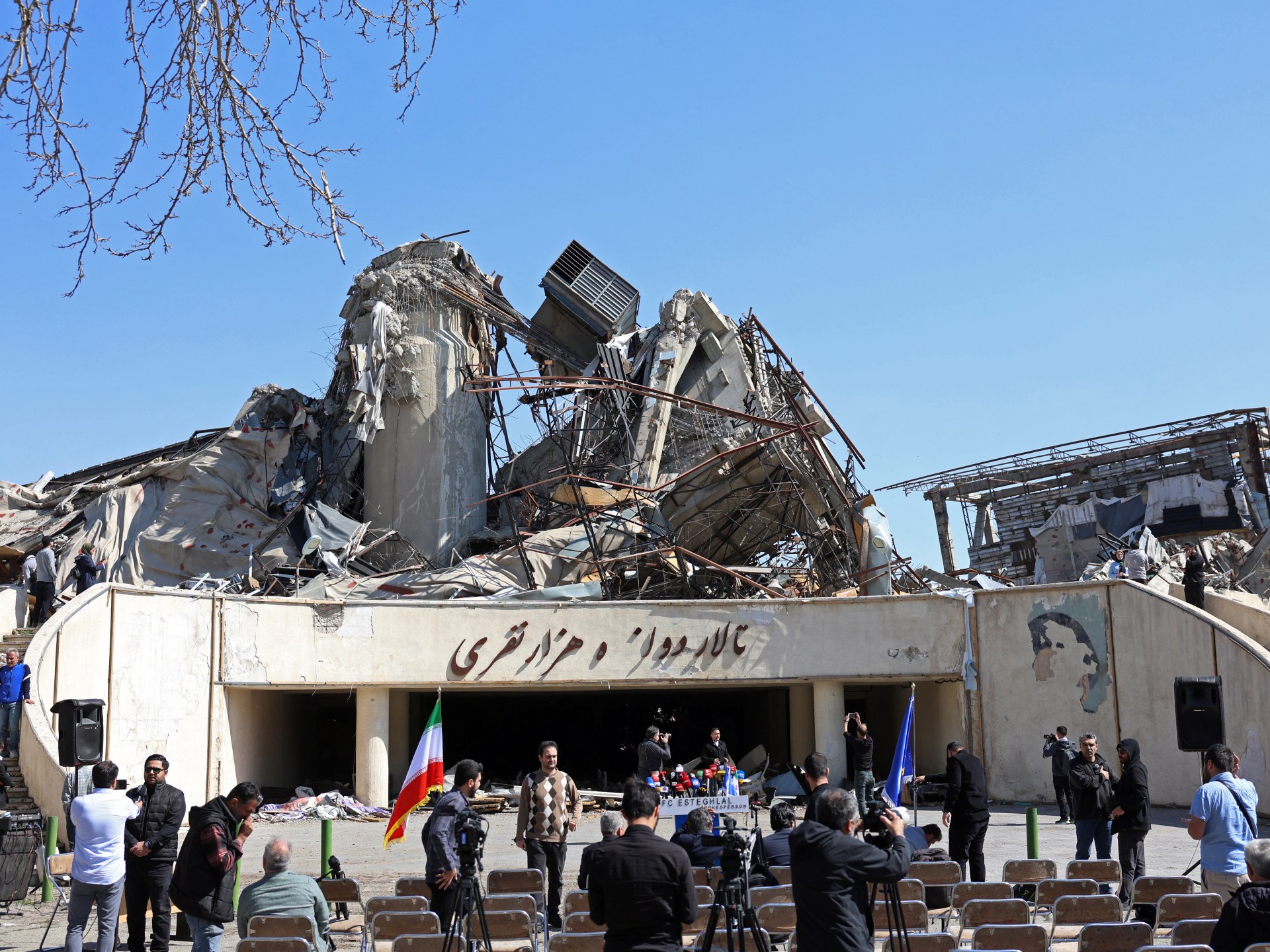
For Gulf states, Hormuz uncertainty casts shadow over fragile US-Iran truce
 09 April 2026
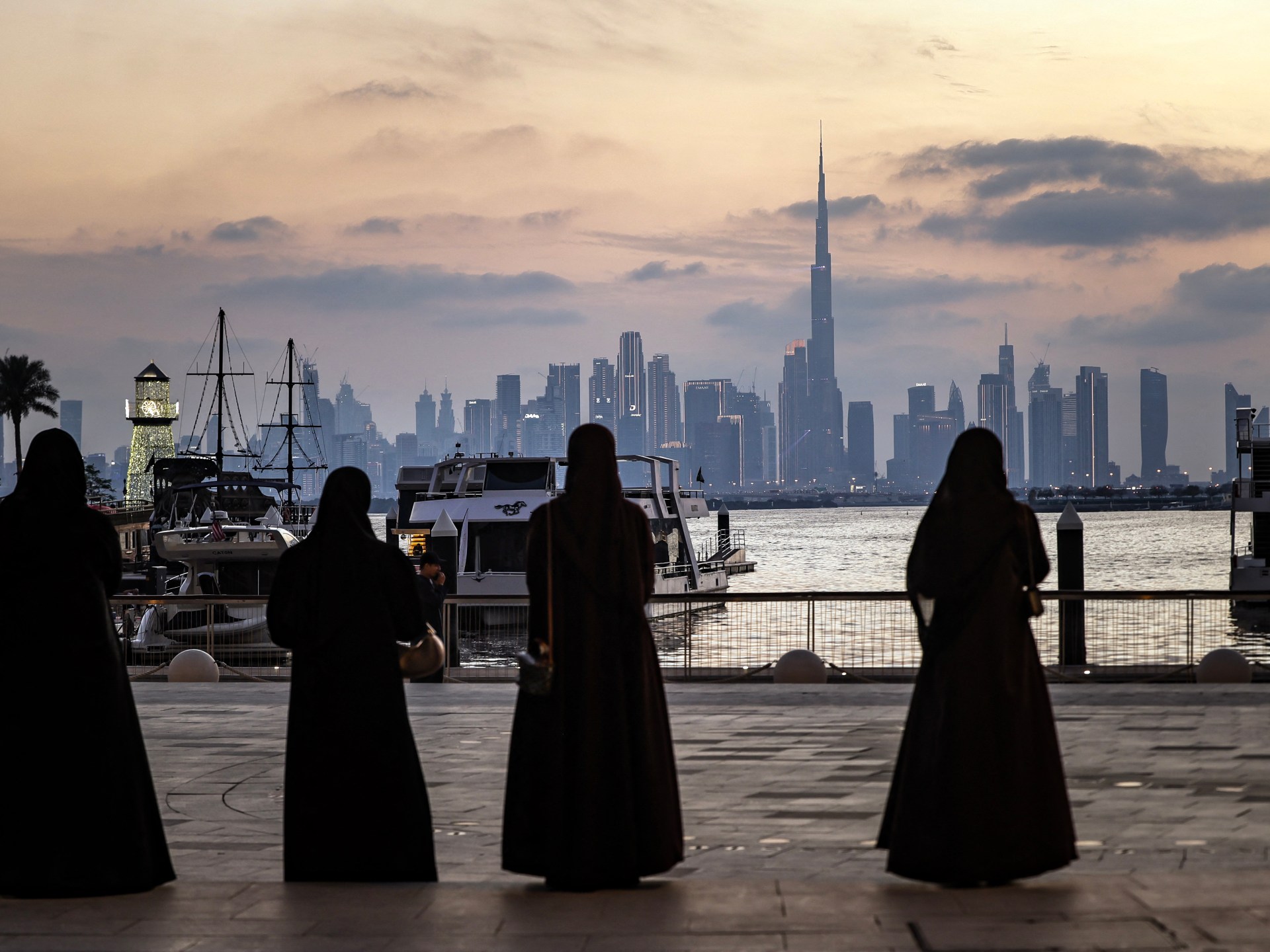

The Gulf region breathed a collective sigh of relief late on Tuesday after Iran and the United States agreed on a two-week truce, pausing more than a month of increasingly violent attacks and inflammatory rhetoric.
Hours earlier, US President Donald Trump threatened to wipe out an “entire civilisation” and Tehran warned of further attacks across the Gulf and beyond.
- list 1 of 3Why JD Vance joined Pakistan’s last-ditch US-Iran mediation efforts
- list 2 of 3‘No end in sight’ if Trump acts on threat to destroy Iran infrastructure
- list 3 of 3Iran warns region and beyond as tension builds ahead of US ultimatum
end of list
But 90 minutes before the end of the deadline that Trump had imposed for Iran to fully reopen the Strait of Hormuz or “be sent back to the stone ages“, the US president said it had agreed to halt attacks for two weeks. That was on condition of maritime transit resuming in the vital waterway, where 20 per cent of the world’s oil and natural liquefied gas normally is shipped. Iran brought traffic through the chokepoint to a near standstill in response to joint US-Israeli attacks since February 28.
In a separate message, Trump described a 10-point plan put forward by Iran as “a workable basis on which to negotiate”. According to Iranian state media, one of Iran’s points is for Tehran to continue controlling the Strait of Hormuz. Iranian Foreign Minister Abbas Araghchi said passage over the two weeks will only be possible “in coordination” with the Iranian military.
While negotiations are set to kick off in Pakistan’s capital, Islamabad, at the weekend, experts say Gulf nations remain wary that the US, desperate for an exit, could agree to terms that grant Iran some control over the Strait of Hormuz.
“There is a quiet but palpable concern that President Trump, eager for a quick political victory, could tolerate some Iranian leverage over the strait in exchange for a fragile truce, prioritising optics over Gulf realities,” said Hesham Alghannam, a Saudi Arabia-based scholar at the Malcolm H Kerr Carnegie Middle East Center.
In a flurry of statements, the six Gulf Cooperation Council (GCC) countries sounded the alarm after facing almost daily Iranian missile and drone attacks. With varying wording, they all welcomed the ceasefire but stressed that the Strait of Hormuz must reopen and any deal must result in a permanent, long-term arrangement.
Advertisement
The alternative – in which a weakened, yet hardened and intact Iranian leadership calls the shots on the strait – would be a nightmare scenario for the energy-rich Gulf countries, leaving them under constant threat of disruption and economic blackmail, said Alghannam.
“It makes future war more likely over time, while forcing the GCC to live under Iranian strategic pressure indefinitely. That suspended tension is what makes it so unacceptable,” he added.
In remarks early on Wednesday which shocked many, Trump said a joint US-Iran venture could be formed to set up tolls in the Strait of Hormuz. “It’s a way of securing it – also securing it from lots of other people,” he said. The White House later said the US president has considered the idea but added that his near-term priority “is the reopening of the strait without any limitations, whether in the form of tolls or otherwise”.
Another bad scenario for the Gulf states would be ending the war with Iran still being capable of striking at will.
Despite US boasts of a military victory, and claims that 90 per cent of Iran’s firing capacity has been destroyed, the weakened Iranian forces were able to launch precise strikes against what they wanted when they wanted – including vital energy infrastructure. On Wednesday following the ceasefire announcement, dozens of Iranian missiles and drones were launched at the United Arab Emirates, Kuwait, Qatar and Saudi Arabia.
Since the start of the war, the GCC countries have refrained from entering the conflict, maintaining a defensive posture against Iranian salvos fired towards them. But Bahrain and the UAE are among countries which have increasingly adopted harsher rhetoric, including warnings that patience is not “limitless”.
Concerns are also Gulf-wide over Iran’s future influence over the Hormuz strait.
A Bahrain-sponsored resolution at the UN Security Council on Tuesday called for it to authorise countries to use defensive missions to keep the maritime chokepoint open. The bid was backed by Qatar, the UAE, Saudi Arabia, Kuwait and Jordan. Russia and China vetoed the resolution.
“No country should have the power to shut down the arteries of global commerce. The Security Council had a responsibility to act, and it failed. The Strait of Hormuz cannot become a bargaining chip for Iran, nor a lever in wider global politics,” Mohamed Abushahab, the UAE’s permanent representative to the UN said.
A further escalation could have devastating consequences for the GCC economies, undoing decades of work to make the region a safe hub for finance, tourism and culture – efforts already dented by the war. Analysts say that was one of the reasons GCC countries stepped up diplomacy in the lead-up to the conflict.
Advertisement
But officials throughout the region have repeatedly warned that Iran should not mistake their inaction as a sign of weakness. And if Tehran and Washington fail to find a solution that includes a return to free navigation in the Gulf, the calculus could change.
“The Gulf will leave no stone unturned if Iran continues to take the path of aggression,” said Hamad Althunayyan, a political analyst and professor at Kuwait University. “The Gulf expects its interests to be represented, and included, in any deal with Iran,” he added.
Even if the GCC’s concerns are taken into account, there are no guarantees that Iran and the US will agree to a permanent ceasefire in the upcoming talks.
While the fate of the Strait of Hormuz has captured global attention, one of Trump’s justifications for striking Iran was to get rid of the Iranian nuclear programme. In the latest round of talks, Iran showed readiness to discuss its limitation but always ruled out entirely dismantling, as Trump wanted.
That sticking point remains. “The president’s red lines, namely the end of Iranian enrichment in Iran, have not changed,” White House spokeswoman Karoline Leavitt said.
Related News
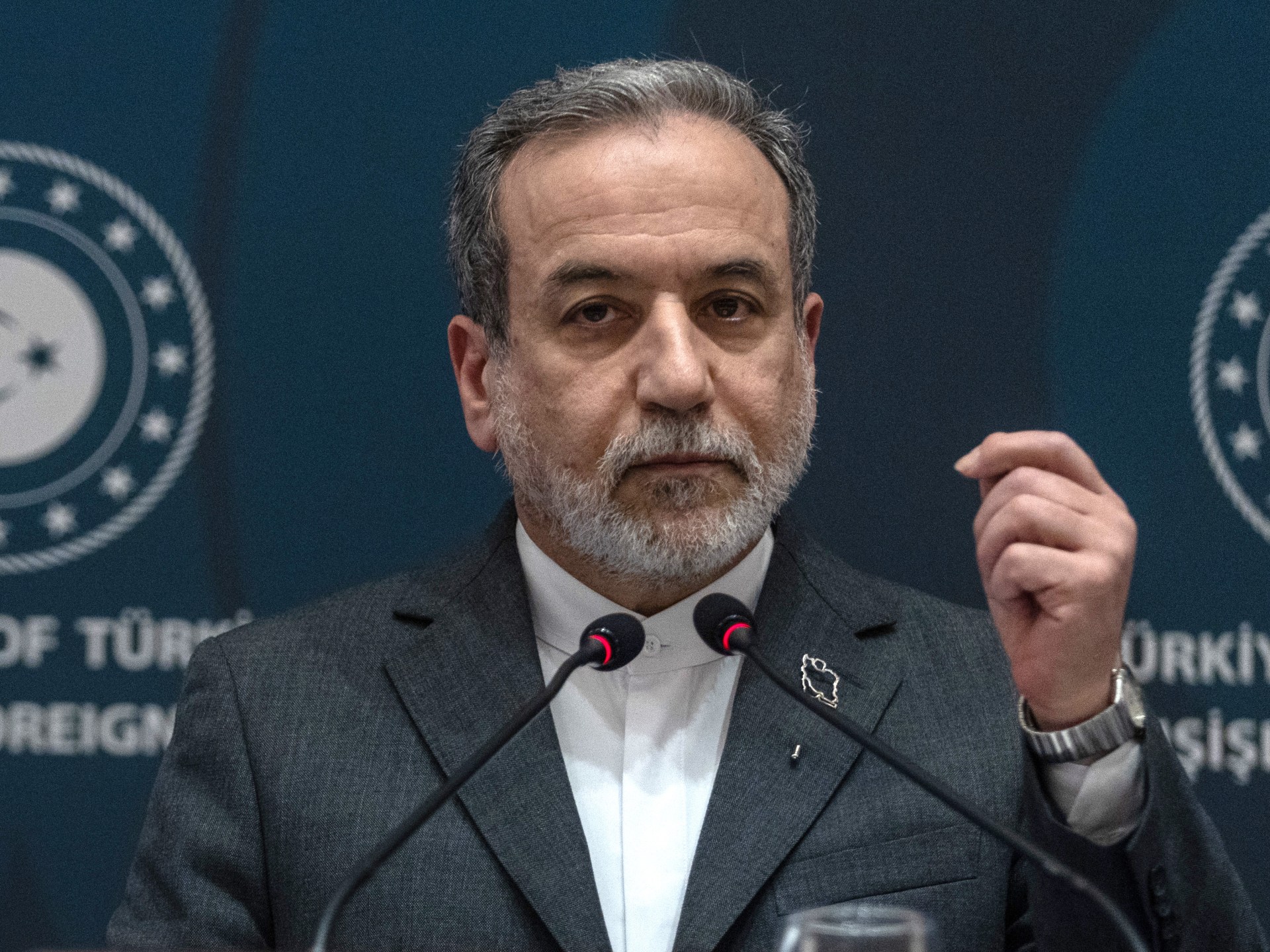
Iran’s FM confirms contact with US envoy Witkoff, denies talks under way
Two dozen Democrat-led states sue Trump over mail-in ballot limits
European nations criticise Israel’s death penalty plans