

This content originally appeared on Al Jazeera.

In the second week of the United States-Israel war on Iran, Tehran continues to experience “some of the most intense bombardments” overnight.
US President Donald Trump said on Monday the war could be over “pretty quickly”, adding he was “not happy” with Iran’s new Supreme Leader Mojtaba Khamenei.
Hundreds of thousands of Iranians rallied in Tehran to show their support for Mojtaba, who succeeded his father, Ayatollah Ali Khamenei.
Here is what we know so far.
In Iran
- Foreign Minister Abbas Araghchi said on Tuesday Iran would continue fighting as long as necessary, casting doubt on Trump’s insistence that the conflict would be over “soon”.
- The Iranian ISNA news agency is reporting that five people have been killed and several injured in a US-Israeli air strike that hit a residential building in the city of Arak, in western Iran.
- Despite ongoing bombardments, thousands of Iranians rallied in Tehran to show solidarity with Mojtaba Khamenei, which supporters described as a message of defiance against the countries attacking Iran.
- The Ministry of Foreign Affairs spokesperson said on Monday the US intends to “partition [the] country” and “take oil”.
- Deputy Foreign Minister Kazem Gharibabadi said some countries, including China, Russia and France, have contacted Iran regarding a ceasefire, Iranian state TV reported.
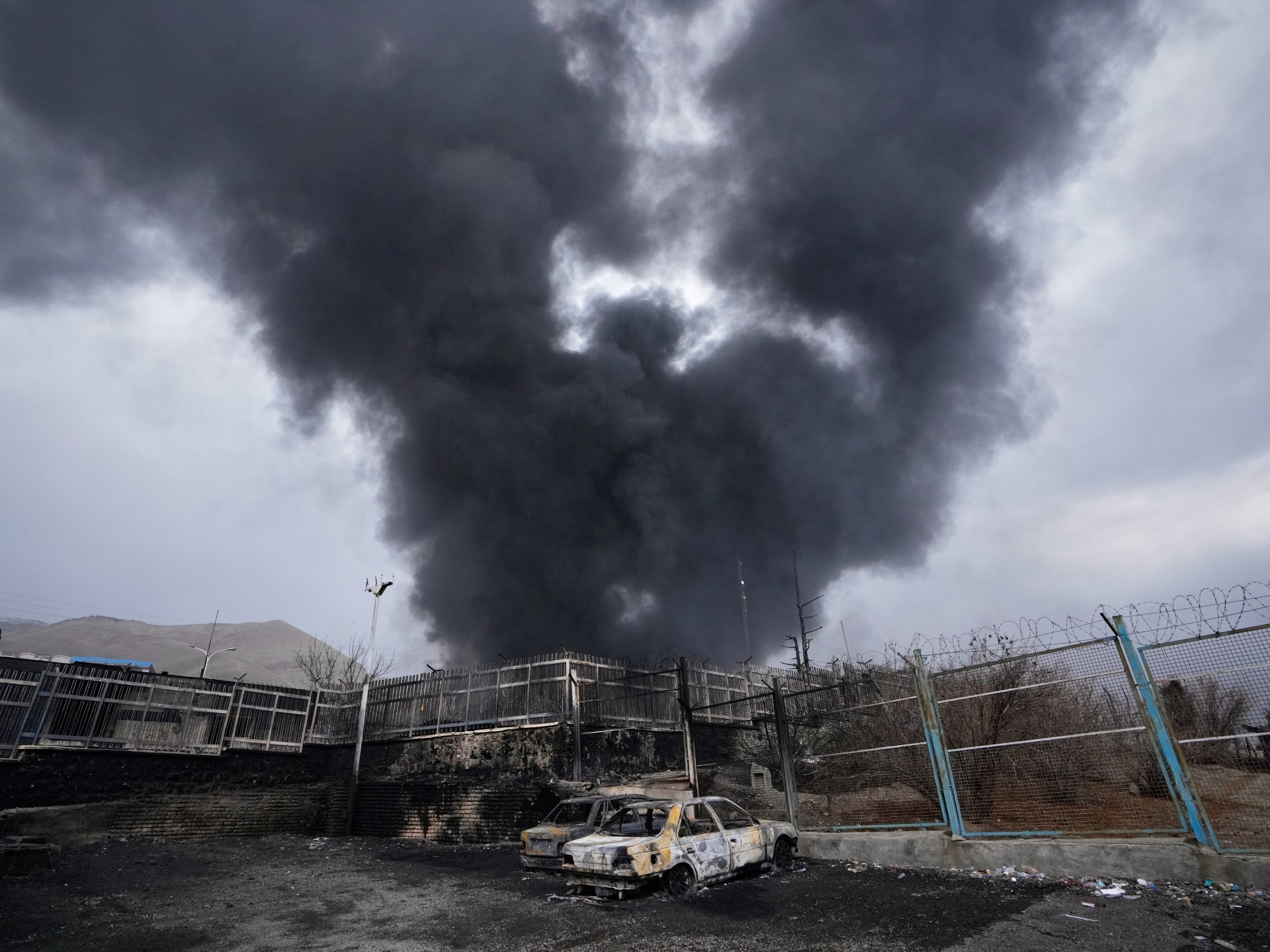
- An attack on residential buildings in eastern Tehran killed at least 40 people, while earlier attacks on oil facilities blanketed the capital in toxic smoke. Iran says the war has killed more than 1,255 people and injured about 10,000.
- Iran’s parliament speaker, Mohammad Bagher Ghalibaf, pledged a “harsh response” to the attacks on residential areas.
- Trump on Monday told reporters the US is “very much on top” of tracking whether Iran has activated “sleeper cells” in the country. Sleeper cells are covert operatives who live secretly inside a country and can be activated to carry out attacks.

In Gulf nations
Advertisement
- On Tuesday Kuwait, the United Arab Emirates, Saudi Arabia and Bahrain reported intercepting Iranian missiles and drones.
- Saudi Arabia’s Defence Ministry spokesperson said on Tuesday the country’s military has intercepted and destroyed a drone east of al-Kharj governorate. Saudi Arabia’s Civil Defence agency says a drone has fallen on a residential site in the city of Az Zulfi in the Riyadh province, causing “limited material damage and no injuries”.
- The Saudi Ministry of Foreign Affairs said on Monday that continued Iranian attacks would lead to further escalation and have a serious impact on relations between the two countries “now and in the future”.

- Bahrain: A 29-year-old woman was killed and eight people injured when a residential building in Bahrain’s capital Manama was hit, the country’s Ministry of Interior said on Tuesday. All Gulf Air flights “remain temporarily suspended as closure of Bahrain airspace continues”, the airline announced earlier today.
- United Arab Emirates: In the UAE, air defence systems are dealing with a number of missiles and drones coming from Iran.
- Kuwait: Six drones were intercepted in Kuwait on Tuesday.
- Australia to give missiles to the UAE: Australia will deploy a military surveillance aircraft to the Middle East and send missiles to the UAE, Prime Minister Anthony Albanese said. He said Australia would not put troops on the ground.
- Australia has also granted visas to five Iranian female football players who could face punishment at home for not singing the national anthem before their first Asian Cup match.
In the US
- According to Trump, the US has struck more than 5,000 targets, which he claimed resulted in the destruction of Iran’s navy and air force, as well as 80-90 percent of its missile launchers. He also said Iranian drone capabilities had been severely reduced, and their manufacturing facilities were under attack.
- Despite the successes, he told Republican lawmakers that the US “hasn’t won enough” and is seeking “ultimate victory”. Trump said he was “not happy” with Iran’s new supreme leader.
- He confirmed a seventh US combat death, noting that the families of fallen troops urged him to “finish the job”.
- Trump and his Russian counterpart, Vladimir Putin, discussed on Monday the war in Iran and prospects for peace in Ukraine, just hours after the Kremlin chief warned that a global energy crisis threatened the world economy.
Advertisement
In Israel
- The Iranian army has issued a statement saying it launched a drone attack targeting an Israeli oil and gas refinery and fuel tanks in Haifa, according to Tasnim news agency.
- The Israeli army says it has identified the launch of missiles from Iran towards Israel. In a statement, it said efforts are being made to intercept the threat.
- Trump praised the joint efforts of the two nations, stating that together they were “crushing the enemy”. He also claimed that Iran was preparing to attack Israel and would have used a nuclear weapon against the country if it possessed one.
- Ambulance workers said one man died from shrapnel wounds at a construction site near Tel Aviv’s international airport, raising the death toll from Iranian attacks to 11.

In Lebanon, Iraq, Turkiye
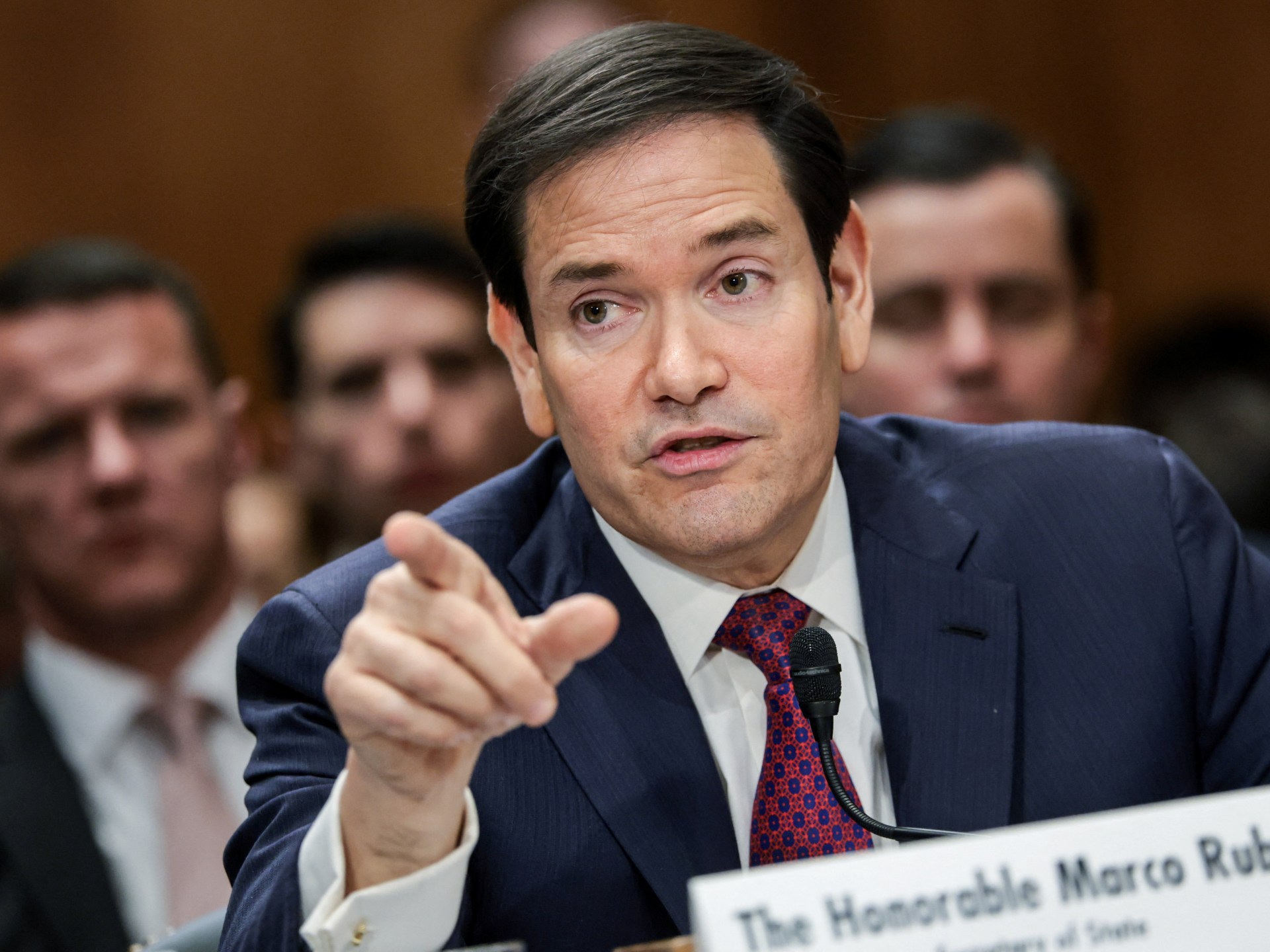
- Iraq’s Prime Minister Shia al-Sudani has told US Secretary of State Rubio that “Iraqi airspace, territory, and waters are not used for any military action targeting neighbouring countries or the region”.
- The IRGC’s PR office has issued a statement saying it hit the headquarters of the US army at the Harir Air Base in Erbil, in Iraq’s Kurdistan.
- The Israeli military has again ordered residents of southern Lebanon to flee their homes. In a post on X, it threatened residents living in areas south of the Litani River, warning that “air strikes are ongoing” as it operates “with great force in the area”.
- The death toll from ongoing Israeli attacks in Lebanon surpassed 486, while nearly 700,000 individuals have been displaced across the country amid continuous cross-border fire between Israel and Hezbollah.
- A Lebanese Maronite Catholic priest, Pierre al-Rahi, was killed by Israeli tank fire in the Christian village of Qlayaa. He had reportedly refused an Israeli order for the forced evacuation of the town, which is located a few miles from the Israeli border.
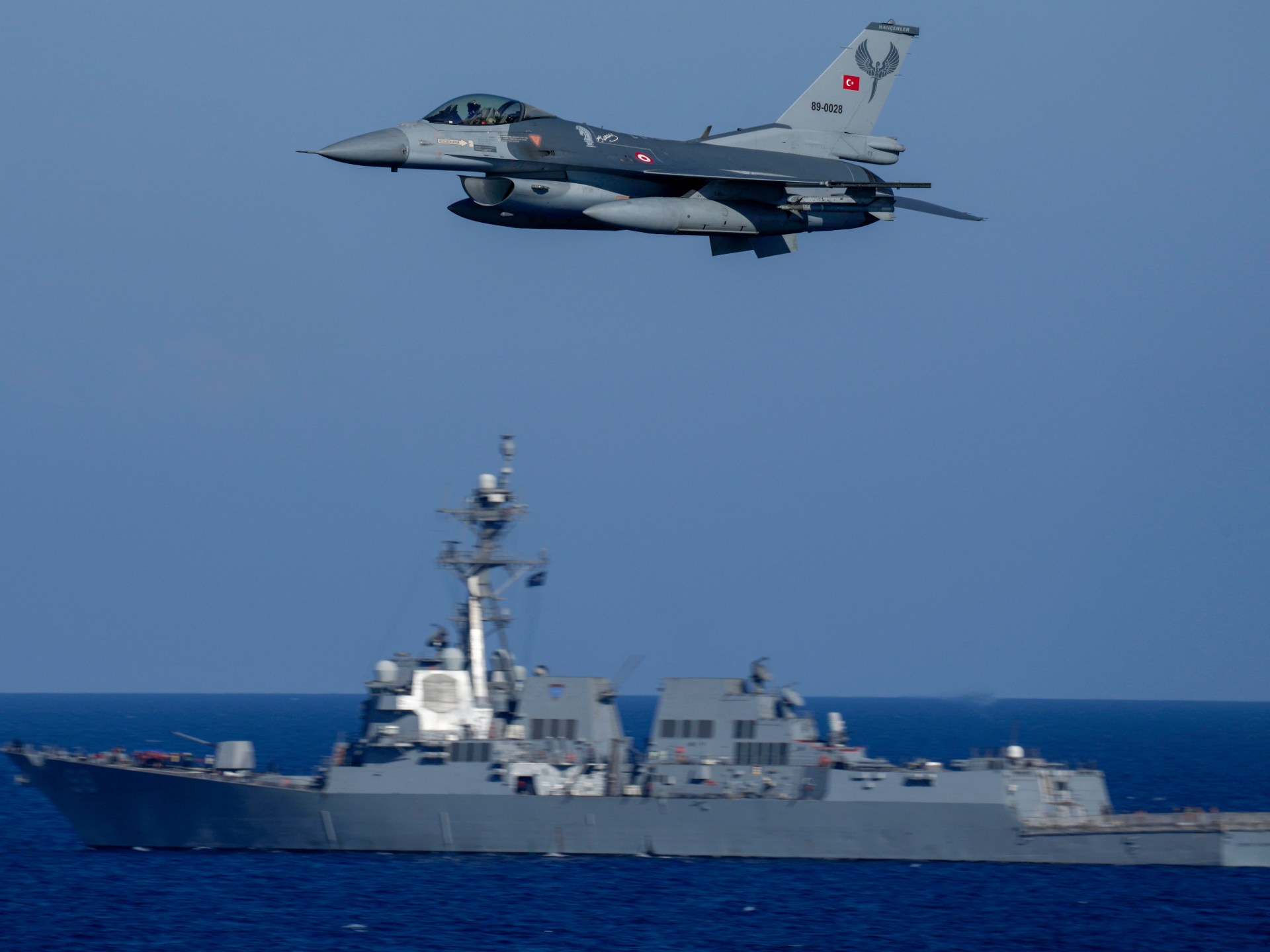
- Turkiye said on Monday that NATO air defences shot down a ballistic missile in Turkish airspace fired from Iran, the first such incident.
Infrastructure and energy markets
- Putin said Russia, the world’s second-largest oil exporter, is ready to work again with European customers to deal with a global energy crisis.
- President Emmanuel Macron said France and its allies were preparing a mission to reopen the Strait of Hormuz.
- The bombardment of Iranian oil facilities has driven up global oil and gas prices, prompting G7 finance ministers to announce that they are prepared to release energy stockpiles to stabilise the markets.
- The conflict has heavily affected global markets, forcing Gulf states to temporarily halt oil and gas production and causing fuel prices to surge. Crude prices plunged to about $90 after Trump threatened to intensify Iran attacks if Tehran stopped the flow of oil through the Strait of Hormuz, a day after reaching almost $120 a barrel.

Related News
02 March 2026
Rubio suggests US strikes on Iran were influenced by Israeli plans
04 March 2026
NATO defences destroy missile fired from Iran over Mediterranean: Turkiye

27 February 2026
Green Party wins UK by-election in blow to Labour, PM Starmer
03 March 2026