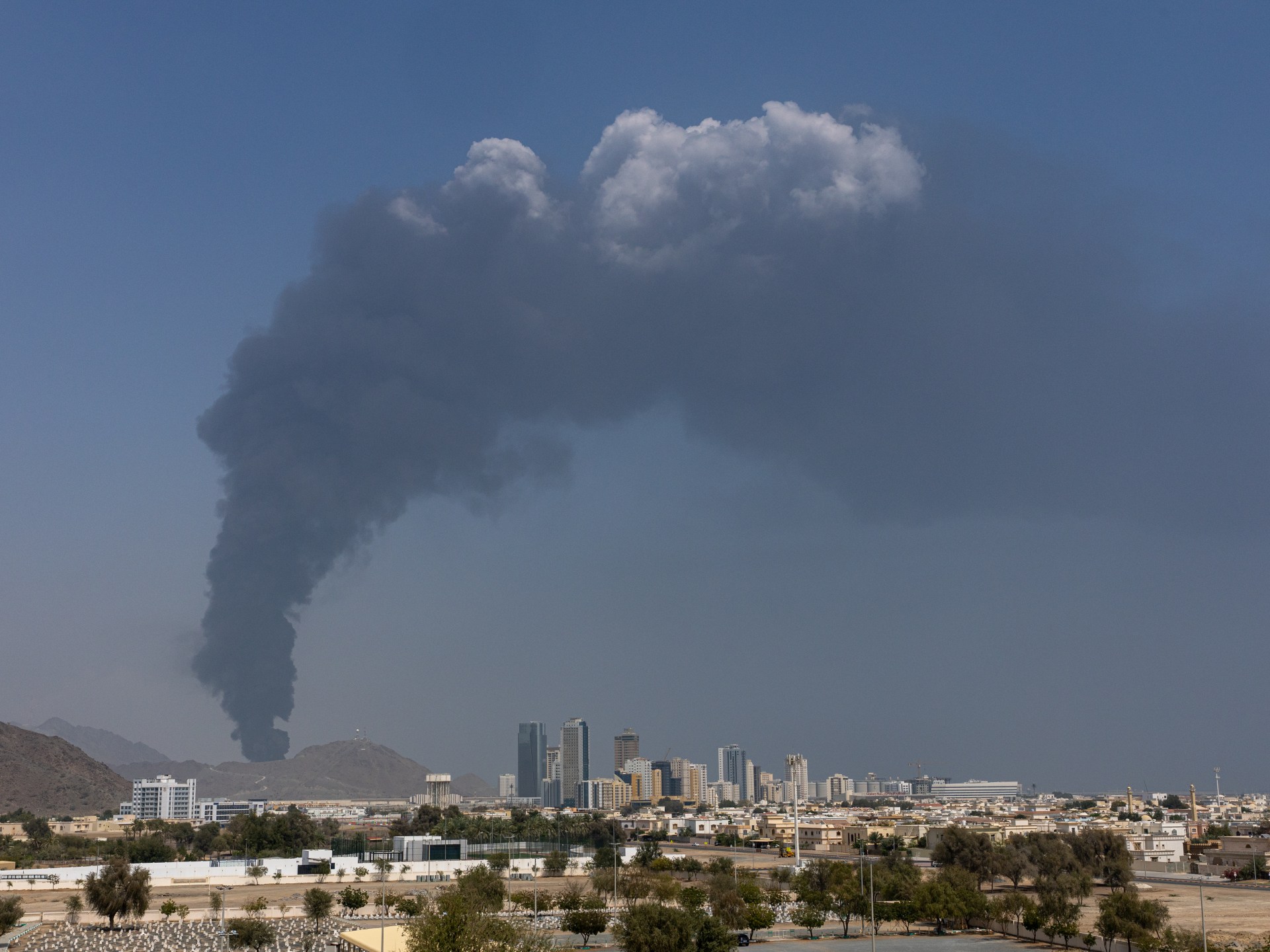

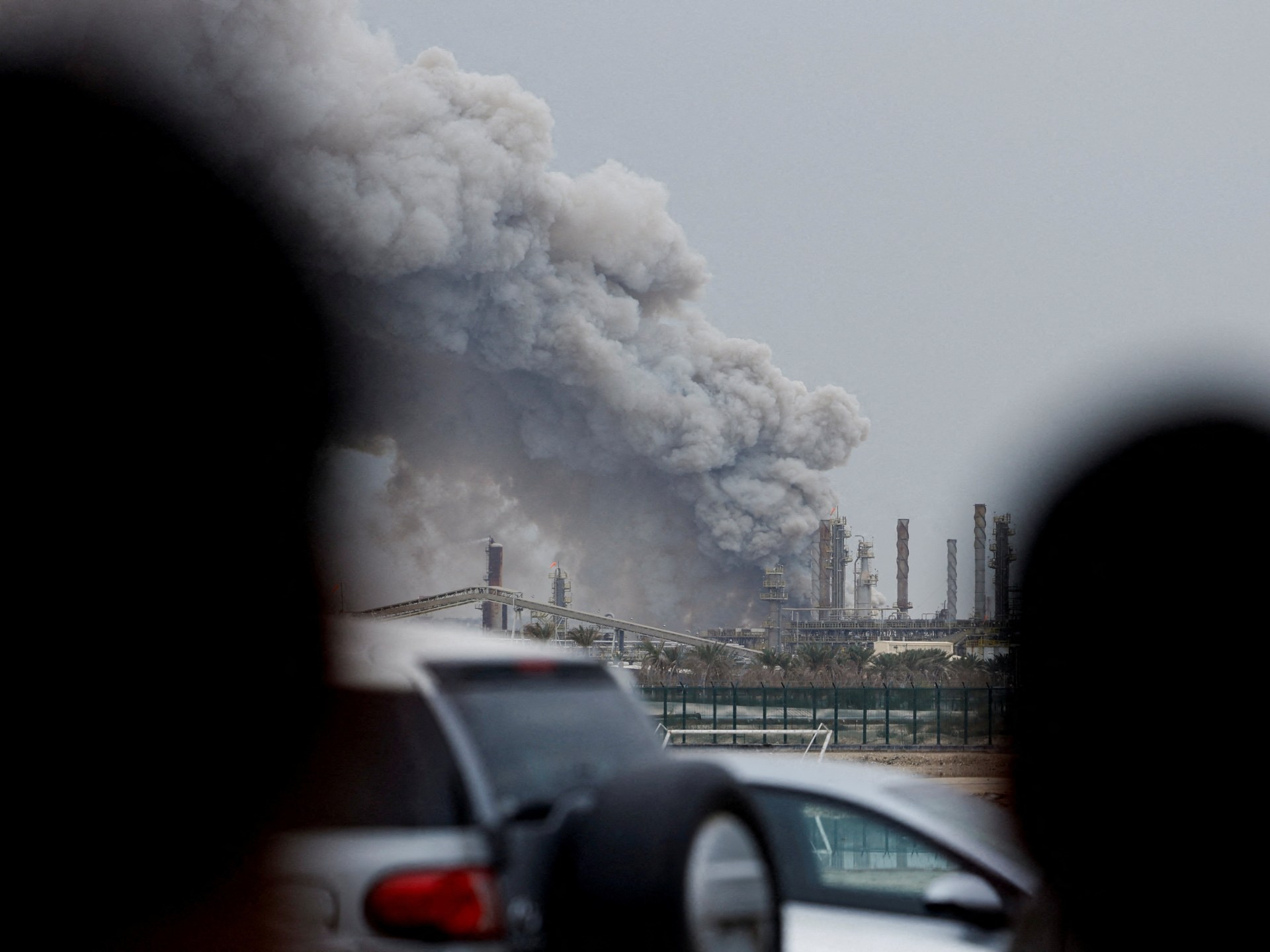

One person has been killed in an Iranian attack in Bahrain, as regional countries including Saudi Arabia, Kuwait and the United Arab Emirates intercept drones and missiles from Iran.
A 29-year-old woman was killed and eight people injured when a residential building in Bahrain’s capital Manama was hit, the country’s Ministry of Interior said on Tuesday.
- list 1 of 3Trump threatens to hit Iran harder if it blocks energy supplies
- list 2 of 3Trump claims Iran planned to ‘take over Middle East’ before US attacked
- list 3 of 3US consumers express dismay over rising gas prices after attack on Iran
end of list
The attack came after Bahrain’s Ministry of Health reported on Monday that two people, including several children, were wounded in an Iranian drone attack on the island of Sitra, south of Manama. Bahrain said late on Monday that its air defences had intercepted and destroyed 102 missiles and 173 drones launched as “Iranian aggression” on the kingdom.
In a statement, the General Command of the Bahrain Defence Force described the attack as a “sinful Iranian aggression”.
Separately on Tuesday morning, incoming missile sirens sounded in Dubai, in the UAE.
At the same time, the Saudi Ministry of Defense said it had destroyed two drones over the kingdom’s oil-rich eastern region, and in Kuwait, the National Guard said it shot down six drones attacking the country’s northern and southern areas.
Iran’s latest attacks on neighbouring Gulf states come as United States President Donald Trump told Republican lawmakers late on Monday that the US-Israeli war on Iran was likely to be a “short excursion”.
But hours later, Trump threatened in a post on social media that the US would dramatically increase attacks if Iran tried to close the Strait of Hormuz.
Advertisement
In addition to firing missiles and drones at Israeli and US bases in the Gulf region, Iran has been attacking energy infrastructure, which, combined with its stranglehold on the Strait of Hormuz, has sent oil prices soaring.
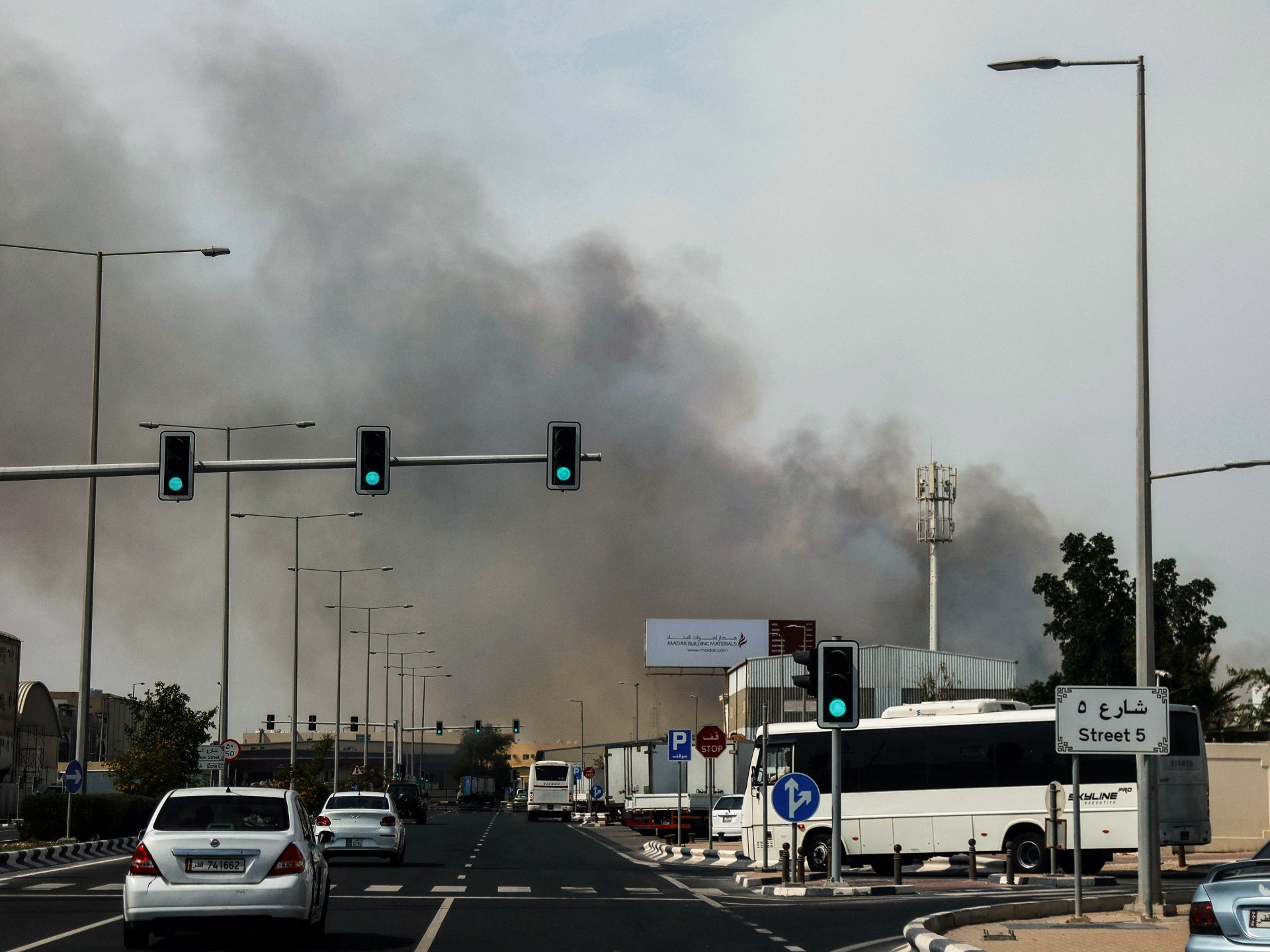
Over the past 24 hours, sites in Qatar were also attacked, said Al Jazeera’s Aksel Zaimovic, reporting from Doha.
“We’re hearing that 17 ballistic missiles and seven drones were intercepted and destroyed,” he said, adding that the escalating attacks and inability to move oil and gas shipments across the Strait of Hormuz have forced Qatar to stop some of its production.
“These attacks are particularly focused on energy infrastructure,” our correspondent said, explaining that Bahrain’s Bapco has had to declare force majeure after waves of Iranian strikes hit its energy installations.
“That means that it cannot meet some of these contractual supply obligations because of these disruptions,” he said.
Meanwhile, “large numbers” of drones have hit Saudi Arabia’s Shaybah oilfield.
“That facility, for example, produces one million barrels of oil every single day, and now they have come under relentless attacks in the past couple of days,” Zaimovic said. “This is something that’s really raising a lot of questions about the security of energy coming from the Gulf.”
Brent crude, the international standard, spiked to nearly $120 on Monday before falling back, but was still at about $90 a barrel on Tuesday, nearly 24 percent higher than when the war started on February 28.
Iran has stopped tankers from using the Strait of Hormuz, the shipping lane between the Gulf and the Gulf of Oman – the gateway to the Indian Ocean – through which 20 percent of the world’s oil is carried.
In a post on social media on Tuesday, Trump seemed not to acknowledge that, saying, “If Iran does anything that stops the flow of Oil within the Strait of Hormuz, they will be hit by the United States of America TWENTY TIMES HARDER than they have been hit thus far.”
In an apparent response to Trump’s remarks, published in Iranian state media, a spokesperson for the Islamic Revolutionary Guard Corps, Ali Mohammad Naini, said “Iran will determine when the war ends.”
Related News
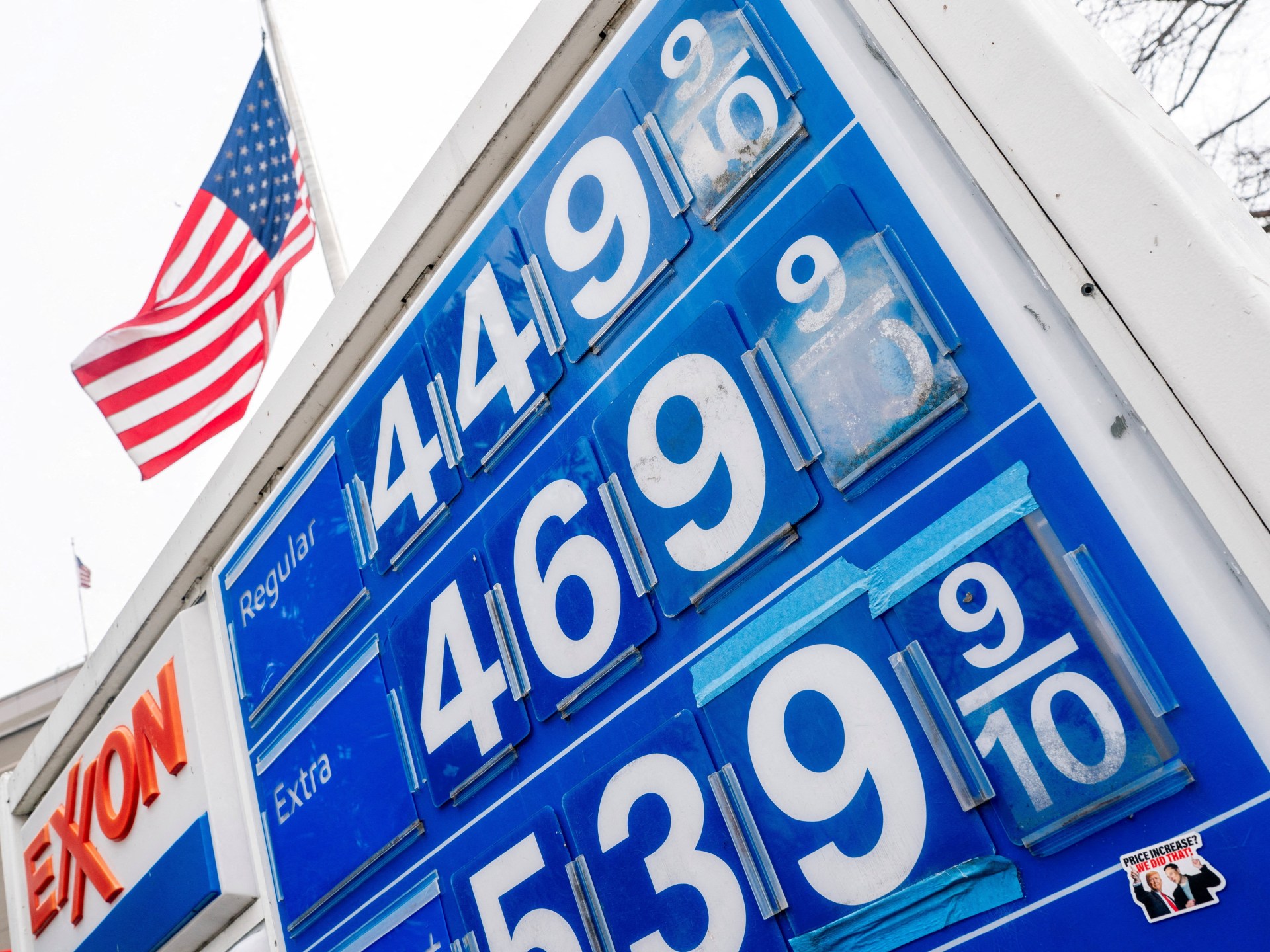
US consumers express dismay over rising gas prices after attack on Iran
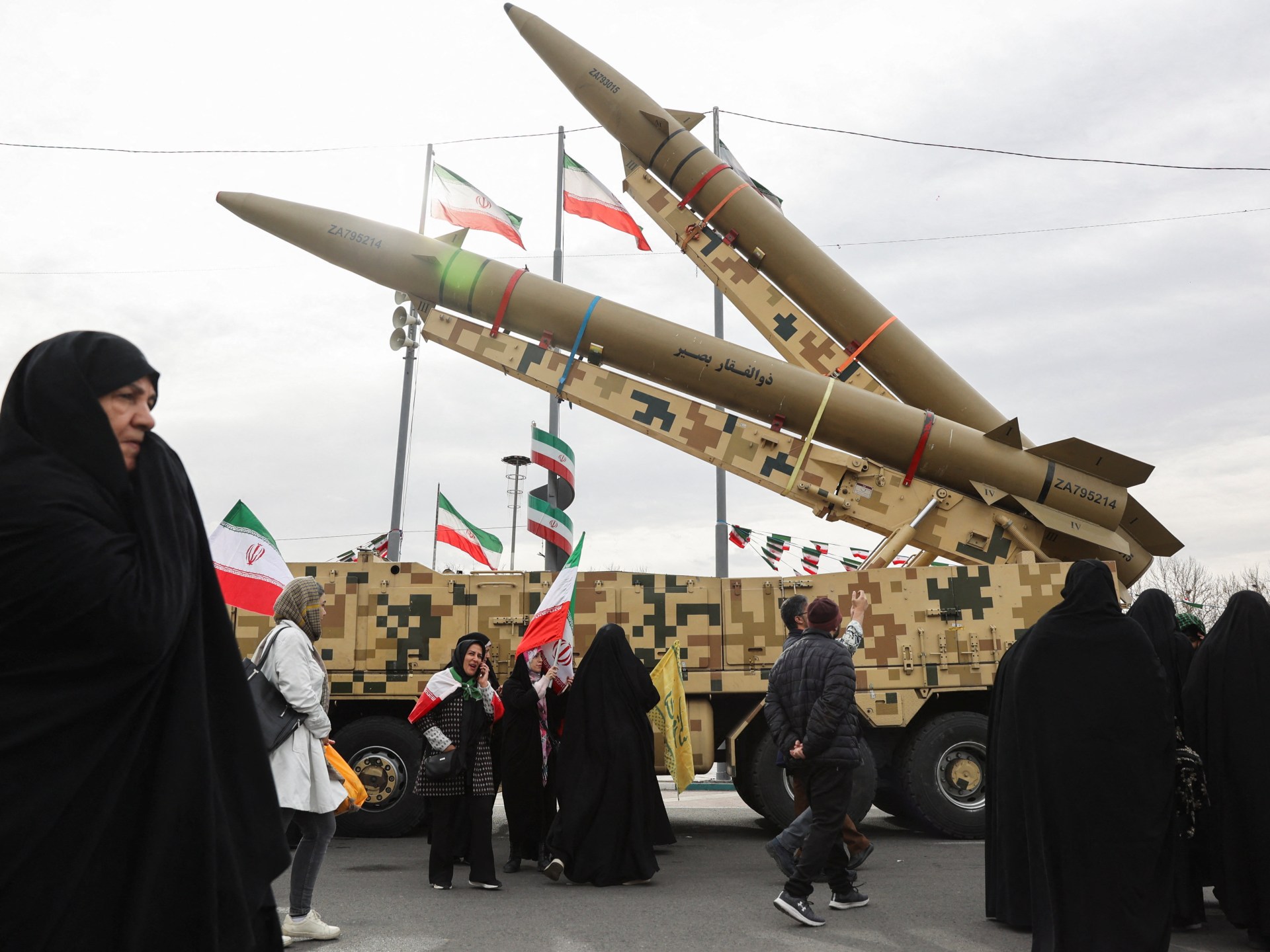
What are Iran’s weapons as it fights the US and Israel?
Blasts shake Qatar, UAE, Kuwait as Iran’s retaliatory strikes continue